



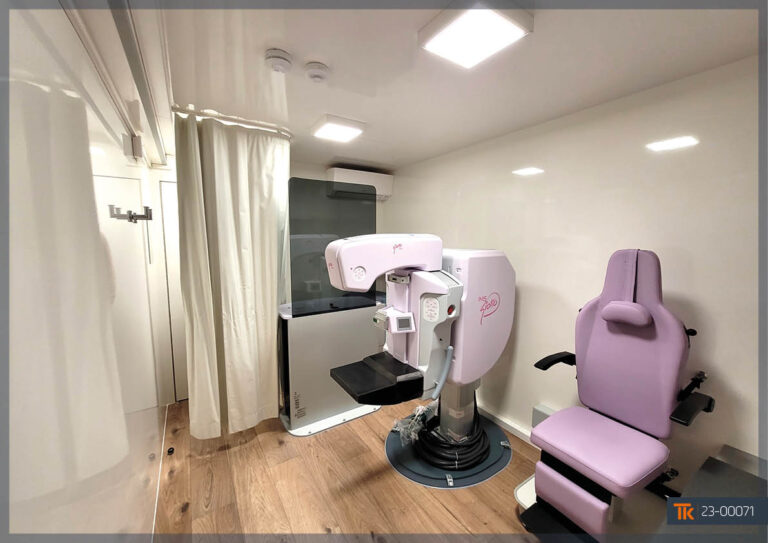
The Burkinabè Government has reported positive results from its mobile clinics initiative rolled out across the country’s 13 regions, with nearly two million women benefiting from awareness campaigns and free specialized healthcare services within a year.
Launched on July 16, 2024, at the initiative of Transition President Captain Ibrahim Traoré, the mobile clinics programme aims to remove geographic and financial barriers that limit access to specialized medical care.
Over one year of operations, 468 outreach missions were conducted in various localities, raising awareness among around two million women about breast self-examination, an essential practice for the early
detection of breast cancer.
On the clinical front, figures released by health authorities point to sustained activity. More than 14,217 women aged over 40 received free ultrasound mammography examinations.
Significant progress was also recorded in efforts to combat cervical cancer. A total of 106,446 screenings for precancerous lesions were carried out, leading to 715 thermo-coagulation treatments and 113
colposcopies.
According to the report, the full cost coverage of these services is the cornerstone of the government’s strategy to promote “health equity.”
By comparison, the cost of such procedures in the conventional healthcare system ranges from CFA 1,500 for screening tests to CFA 20,000 for ultrasound mammography. Between January and September 2025, the state invested CFA 196.551 million to fund these services for rural and disadvantaged populations.
For the Transition authorities, the deployment of the 15 mobile units goes beyond a logistical undertaking and reflects a political commitment to bringing public services closer to citizens.
The stated objective is to ensure that specialized healthcare is no longer “a luxury reserved for the urban elite,”but a right accessible to internally displaced persons and communities in the most remote areas of Burkina Faso.
Ho/Sf/lb/gik/APA