





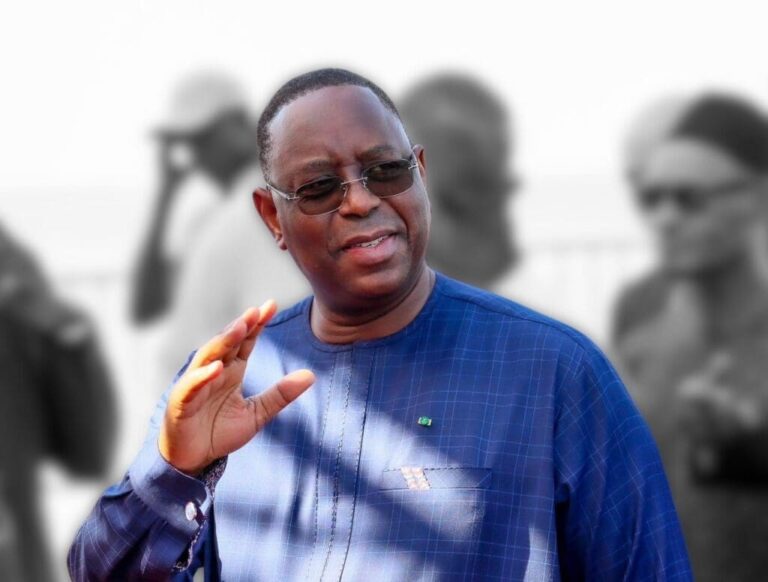
Ex President Macky Sall is maintaining his quest to lead the United Nations as its secretary general despite a setback after the African Union refused to endorse him.
His communication team issued a statement on Saturday disputing the final vote count among its members, claiming it remains inconclusive given that Egypt and Liberia withdrew from the list of member countries objecting to Sall’s bid.
This had brought the number of objector countries to 13 countries.
There are calls by five other members requesting an extension of the deadline to decide on his candidacy.
The African Union Commission Friday failed to endorse him as Africa’s candidate for United Nations Secretary-General after at least 20 member states blocked a consensus under a so-called silence procedure.
According to an official communication by the AU over the weekend, the draft decision, circulated earlier this week, was not adopted by the March 27, 2026 deadline after objections were raised by a significant number of member states that led divisions within the bloc over the nomination.
The silence procedure, a standard diplomatic mechanism, allows proposals to pass unless formally opposed within a specified timeframe.
The breakdown in consensus follows weeks of unease among member states over Sall’s candidacy, which was initially advanced without clear, unified backing from the continental body.
His nomination, formally submitted by Burundi, had prompted questions in diplomatic circles about process and coordination within the African Union.
Despite the lack of unanimity, Sall had secured backing from some senior African figures, including former AU Commission chair Moussa Faki Mahamat, who publicly supported his bid.
Sall, who led Senegal from 2012 to 2024, has been viewed by supporters as a candidate capable of navigating multilateral negotiations on behalf of the continent.
The absence of a coordinated African position could weaken the continent’s leverage in the selection process at the United Nations, where regional endorsements often shape early momentum.
The appointment of a secretary-general requires support from at least nine members of the Security Council without a veto from its permanent members, followed by approval from the General Assembly.
African leaders have long argued that the post should rotate to the continent which had produced two secretaries general namely Boutros Boutros-Ghali of Egypt and Ghana’s Kofi Annan.
No alternative nominee has yet been formally endorsed by the African Union, leaving open the possibility of further consultations or competing candidacies as the race to succeed the current UN chief gathers pace.
MG/as/APA