





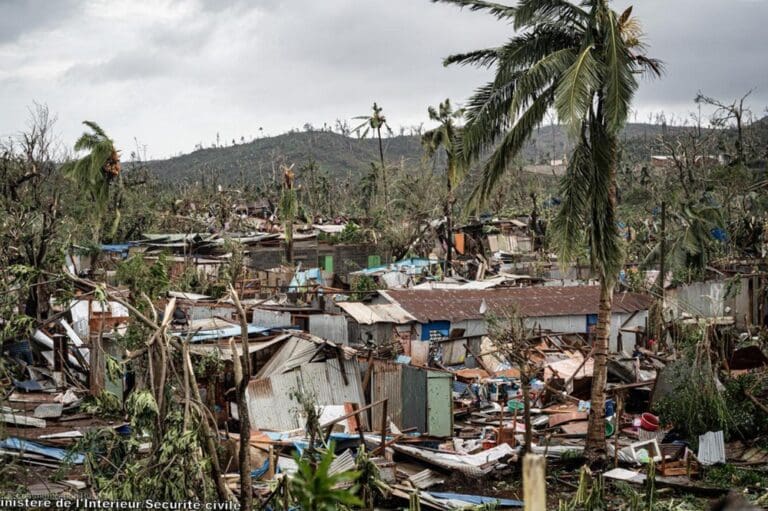
SADC has deployed its Emergency Response Team (ERT) to Madagascar as the island nation reels from the devastation caused by two tropical cyclones in less than three weeks.
The regional bloc says the mission is intended to bolster government‑led relief efforts after Cyclones Gezani and FYTIA left widespread destruction across multiple regions.
Cyclone FYTIA made landfall in Madagascar on 31 January followed by Cyclone Gezani on 10 February, compounding an already severe humanitarian crisis.
The storms triggered loss of life, mass displacement, extensive infrastructure damage and major disruptions to essential services.
According to SADC, more than 270,000 people across 18 districts in five regions have been affected.
The ERT deployment forms part of SADC’s disaster‑response mechanism, activated when member states face emergencies that exceed national capacity.
Working alongside MapAction, Rescue South Africa and the World Food Programme, the team will be in Madagascar from 16 to 28 February to provide technical support in emergency coordination, search and rescue, geospatial analysis, situation monitoring and the development of a regional humanitarian appeal.
At the regional level, the SADC Humanitarian and Emergency Operations Centre is coordinating closely with the UN Office for the Coordination of Humanitarian Affairs and national authorities to strengthen the overall response.
Officials say the mission aims to improve situational awareness, identify priority needs and ensure that assistance is delivered efficiently and in line with regional solidarity commitments.
The back‑to‑back cyclones have underscored Madagascar’s vulnerability to extreme weather events, which have intensified in recent years.
SADC’s intervention marks one of the most significant regional deployments since the bloc strengthened its disaster‑management framework.
JN/APA