





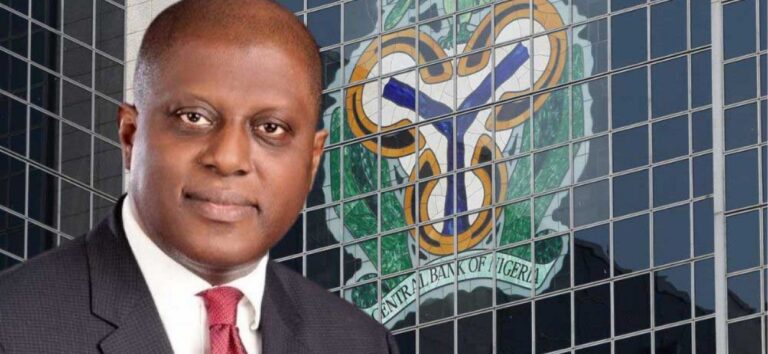
The Central Bank of Nigeria (CBN) says that digital payments in Nigeria have recorded a 276 per cent increase in transaction volume over the past five years, underscoring rapid adoption of electronic channels.
Speaking at the Committee on Bank Operations Annual Conference on Friday, the Governor of the CBN, Mr Olayemi Cardoso, highlighted the need for a balanced payment ecosystem in which digital innovation and physical cash coexist rather than compete.
Represented by his Special Adviser, Fatai Kareem, the CBN governor stated that the value of digital payment transactions also grew by 581 per cent over five years.
According to him, the figures, drawn from industry payment infrastructure, reflect increasing consumer confidence, policy reforms, and technological innovation within Nigeria’s financial system.
Despite this growth, the CBN governor emphasised that cash usage has not declined. Currency in circulation rose from about N2.4tn in 2020 to approximately N5.1tn in 2025, while total currency in circulation increased by 4.6 per cent year-on-year as of December 2025.
“Nigeria’s payment ecosystem has evolved significantly over the past decade. While policy remains somewhat cash-oriented, experience shows that cash continues to play a critical role, particularly in informal markets, rural communities, and among vulnerable populations.
“At the same time, electronic payments enhance transparency, efficiency, and inclusion. When properly governed, electronic channels complement cash, reduce pressure on physical currency management, and provide scalable alternatives during peak demand. The objective is balance: maintaining confidence in cash while accelerating reliable electronic payment adoption.
“Cash availability is not solely a function of currency issuance. It depends on logistics, infrastructure, incentives, and coordination among financial institutions. Failures in access—ATM outages, illiquidity—undermine confidence in the system. Banks play a critical role in shaping the future of cash.
“They must invest in technology, collaborate with regulators, improve cash deposit mobilisation, strengthen fraud prevention, and enhance digital platforms. The Central Bank remains fully committed to building a resilient, inclusive payment system by strengthening infrastructure, modernising currency management, and supporting responsible innovation,” he said.
Local media reports quoted the governor as saying that electronic and digital payment channels, when properly designed and governed, complement cash by easing pressure on physical currency management, improving efficiency, and providing alternatives during periods of operational stress.
He added that the strategic challenge for Nigeria is not choosing between cash and digital payments, but ensuring citizens can always access cash when needed while building trust in electronic channels for everyday transactions.
GIK/APA