





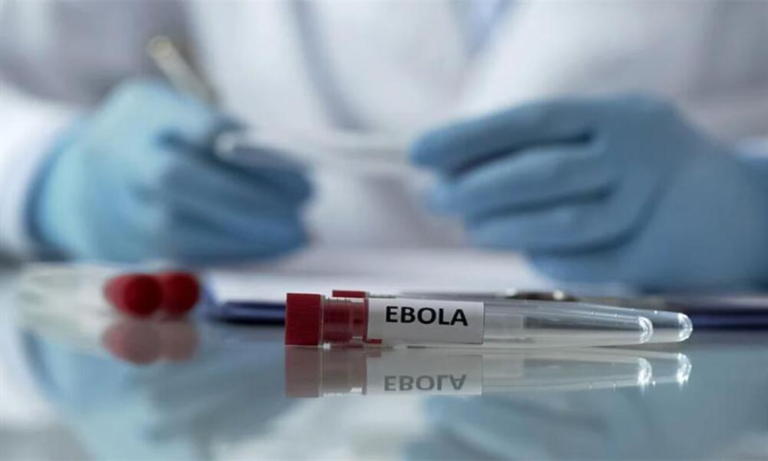
Egypt’s Ministry of Health announced on Sunday, May 17, 2026, that no cases of the Ebola virus have been detected within the country and that the overall risk of domestic transmission remains low.
Financial and health authorities emphasized that the disease does not spread as easily as respiratory infections, since transmission requires direct contact with the bodily fluids of an infected person after symptoms have appeared. Because the virus cannot be transmitted during its incubation period, Egyptian health officials believe that strict border surveillance and standard infection-control measures will successfully limit the likelihood of the disease spreading via international travel.
This domestic reassurance comes amid a worsening regional crisis, following the World Health Organization’s declaration on Sunday that the Ebola outbreak in Uganda and the Democratic Republic of the Congo constitutes a Public Health Emergency of International Concern. The outbreak has already claimed 80 lives in eastern DRC. While Cairo maintains that the high risk of transmission is primarily tied to local factors specific to the outbreak zones and neighboring African nations, the government has still taken significant precautions to shield its population from international spillover.
In response to the global alert, the ministry has raised its national readiness level and activated rigorous preventive protocols across all air, sea, and land borders. Under the enhanced framework of the national epidemiological surveillance and early warning system, travelers arriving from affected areas are now subject to strict health screenings. Furthermore, authorities have established tracking mechanisms to monitor arriving passengers from high-risk zones for up to 21 days, ensuring that Egypt’s stable health environment is preserved against any sudden cross-border introduction of the virus.
AK/Sf/lb/abj/APA