





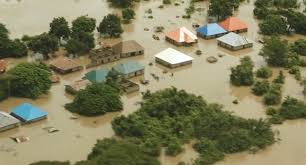
The International Rescue Committee (IRC) has warned that communities across East Africa face a heightened risk of severe flooding, heatwaves and disease outbreaks in the coming weeks as an intensifying El Niño weather pattern threatens to worsen already fragile conditions.
IRC vice president for emergencies, Bob Kitchen said families in Kenya, Uganda and Somalia are among those most at risk, with the same climate system also expected to drive extreme weather across Pakistan, Afghanistan and Bangladesh.
“We’re watching several emergencies converge at once, and the places least equipped to absorb another shock are the ones in the crosshairs,” Kitchen said.
“Acting now, before the rain falls, is far cheaper and far more humane than responding after people have lost everything.”
Meteorologists say this year’s El Niño is strengthening after months of abnormal warming of the ocean, a pattern historically associated with heavy rainfall in parts of East Africa and hotter, drier conditions in South and Central Asia.
Forecasts for Somalia show a 60 percent chance of above‑average rainfall across the south and southwest.
The country is already grappling with overlapping crises of drought and displacement, leaving 4.8 million people in need of urgent aid – a figure expected to rise as flooding compounds existing hardship.
A major flood in 2023 destroyed nearly 13,000 tonnes of crops and damaged towns and cities, and experts warn that similar storms this year could be even more devastating as communities have fewer resources and coping mechanisms.
Heavy rain in the Ethiopian highlands combined with local Deyr season rainfall could push river levels up rapidly along Somalia’s two main waterways, contaminating water sources and increasing the risk of cholera and acute watery diarrhoea.
Kenya faces an 80-82 percent chance of El Niño persisting through 2026, with dry conditions expected to give way to flooding and landslides later in the year.
The government has already activated its national response framework.
Uganda anticipates a similar shift from drier months to a flood‑prone final quarter, raising fears of displacement and disease after more than 413,000 people were affected during the last El Niño cycle.
In Asia, the same El Niño pattern is expected to push seasonal rainfall below normal and temperatures higher across Pakistan, even as northern mountain regions face sudden glacier‑melt floods.
Bangladesh’s monsoon season has already turned deadly, with landslides and flooding killing at least 15 Rohingya refugees in Cox’s Bazar and displacing more than 10,000 people since early July.
Afghanistan is bracing for above‑average rainfall that could trigger widespread flooding.
The IRC said its anticipatory action model is already delivering cash to at‑risk families ahead of disaster, helping them buy food, pay for water and protect livestock rather than resort to harmful coping strategies.
JN/APA