





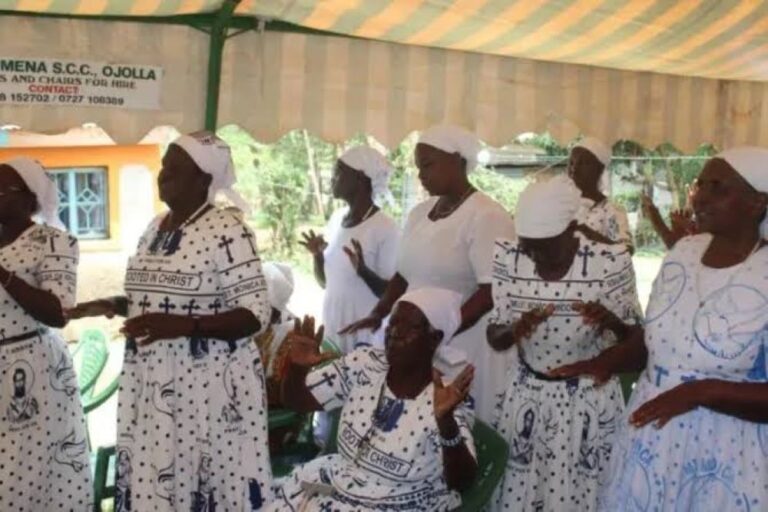
Widows in Kenya have launched a campaign for greater protection by the law, urging MPs to pass the Widowed Persons Protection Bill 2026, APA can report from Nairobi on Tuesday.
To mark International Widows’ Day, Come Together Widows and Orphans Organization (CTWOO) are urging MPs to pass the Bill before the current parliamentary session ends later this year.
They argued that turning this comprehensive Bill into law would provide all widowed persons with long overdue legal protections against the widespread discrimination they, particularly women, routinely face, including disinheritance, confiscation of property, and harmful cultural practices such as widow inheritance and widow cleansing.
The Bill was submitted to Parliament on 12 May 2026 as a Private Member’s Bill sponsored by Hon. Otiende Amollo, MP for Rarieda Constituency, whose commitment to advancing widows’ rights is informed by the discrimination his own mother faced after being widowed.
The Bill was developed and drafted with input from CTWOO and Equality Now, and would transform widowhood from a condition of vulnerability into one of protected status. It aims to ensure widowed persons do not lose their rights, security, dignity, or standing in society.
Kenya’s widows urgently need stronger legal protection
CTWOO provides case support, counselling, and legal education to widows and orphans across Kenya. In May 2026 alone, CTWOO recorded 139 cases, demonstrating the scale of the problem and the lack of effective state channels to address the challenges widows face.
Dr Dianah Kamande, HSC, Executive Director of CTWOO, founded the organisation after experiencing discrimination, dispossession, and blame following the death of her abusive husband.
Drawing on her own experience and years of supporting widows, Dr Kamande saw how legal rights are often inaccessible in practice and undermined by custom, community pressure, and unequal family power dynamics. With little or no say over decisions affecting their lives, widows are routinely subjected to systemic rights violations that are enabled by a fragmented legal framework which leaves critical protection gaps.
Following the death of a spouse, widows are often forced from their homes by family and community members, unlawfully stripped of their possessions, deprived of livelihoods, and denied custody of their children. The resulting dispossession can lead to homelessness, destitution, dependency, and disruption to children’s education.
Widowed persons can face intimidation involving threats, isolation, blame for a spouse’s death, and accusations of witchcraft that are used to justify seizing property. Cyberbullying and fraudulent schemes are emerging and growing problems.
Many communities still subject widows to harmful mourning rites, which may include scarification, coerced fasting, denial of medical care, forced shaving of hair, or being prevented from bathing. Widow cleansing or widow inheritance entails a bereaved wife being pressured into ritual “purification” through forced sexual intercourse, often with a relative, which she is required to undergo before she can continue her life or remarry.
Dr. Kamande explains, “Every week, women come to CTWOO after losing their husbands and then their home, their dignity, sometimes even their children. Kenya’s Widowed Persons Protection Bill draws a clear line between cultural practices that strengthen communities and those causing harm. Culture is not static. It can evolve in ways that acknowledge tradition while ensuring widows are afforded the same dignity, equality, and protection under the law as everyone else.”
WN/as/APA