



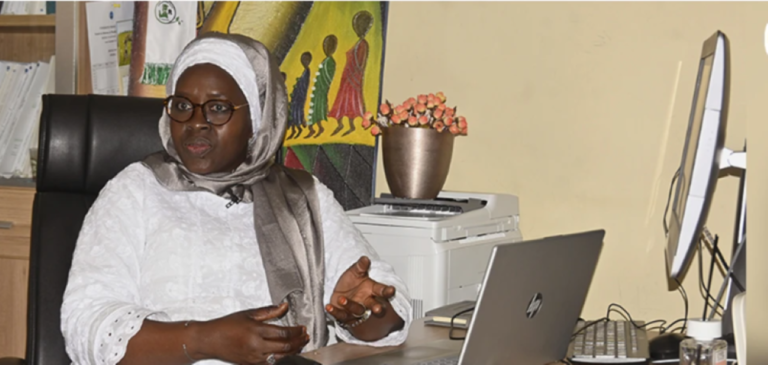
The president of the Senegalese Society of Human Genetics (S2GH), Rokhaya Ndiaye Diallo, is raising the alarm over the financial burden of diagnosing and treating rare diseases in Senegal
and is calling for a dedicated national plan.
The diagnosis and management of rare diseases pose a heavy burden for Senegalese families, stated the S2GH head in an interview with the Senegalese Press Agency (APS) on the eve of International Rare Disease Day.
A disease is considered rare when it affects one in 2,000 people. Genetic in origin in 80% of cases, it is generally chronic, severe, and requires specialized care. In Senegal, limb-girdle muscular dystrophy, amyotrophic lateral sclerosis (ALS), and Duchenne muscular dystrophy are among the most common.
According to the specialist, diagnosis relies primarily on DNA sequencing, which costs between
300,000 and 400,000 CFA francs, an amount that is difficult for many families to afford. This situation contributes to diagnostic delays, with some children waiting up to 5 to 7 years before receiving a
precise diagnosis.
Added to this is the high cost of available treatments, particularly gene therapies, which can cost millions of CFA francs. The lack of specialised facilities and multidisciplinary care, especially in
functional rehabilitation, further complicates the situation.
Faced with these challenges, the president of S2GH recommends the implementation of a National Health Plan dedicated to rare diseases in order to strengthen diagnostic capacities, train specialist
physicians, and facilitate access to treatments. She also highlights the ongoing efforts of the Ministry of Health to better integrate these diseases into the national healthcare system. The Senegalese Society of Human Genetics works to promote genetic diagnosis, train specialists and improve the management of genetic diseases in Senegal.
DM/ac/fss/as/APA