





The ongoing rainy season in South Sudan is slowing cholera response efforts in some locations, raising concerns about further transmission and undermining progress the country has made so far in combating the outbreak, the World Health Organization warned in a statement on Friday.
South Sudan experiences heavy rainfall between mid-July and October. The states of Jonglei, Unity, Upper Nile, Northern Bhar el Ghazal, Warrap, parts of Central Equatoria, and others experience seasonal flooding, resulting in massive displacement, and affecting the delivery of basic health services.
The rainy season worsens access and sanitation, disrupts the shipment of medical supplies, hinders deployment of rapid response teams, and vaccination impedes efforts, making it difficult to protect communities and save lives, WHO said.
The country declared a cholera outbreak in October 2024, since then, the Ministry of Health with support from WHO and other partners, has mounted a comprehensive response, including deployment of rapid response teams, prepositioning medical supplies and coordination efforts across all levels to protect communities and safe lives.
This is the longest cholera outbreak in the country’s history, since independence in September 2011.
As of 30 June 2025, South Sudan has reported a cumulative total of 77 555 suspected cases and 1 401 deaths these cases have been reported from 55 counties, across nine states and all three administrative areas.
A cumulative total of 11 554 tested positive using the rapid diagnostic test kits (RDT), and an additional 424 cases had laboratory isolation of Vibrio Cholera.
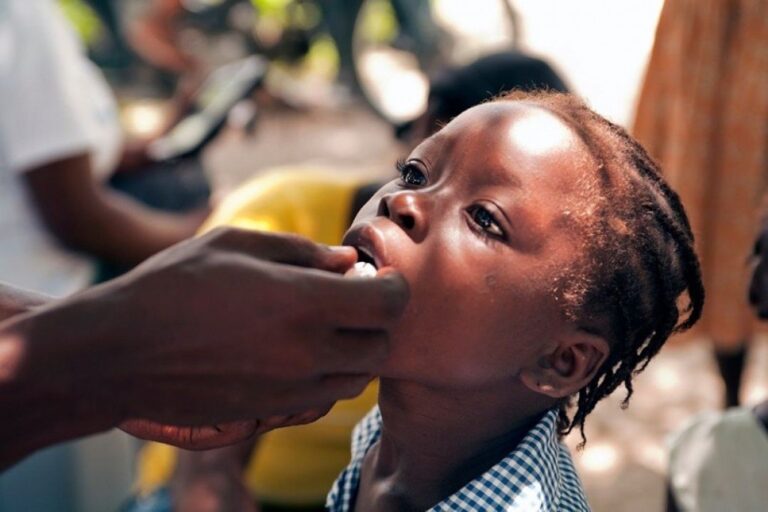
In response, the country has successfully conducted an oral cholera vaccination campaign, reaching over 6.9 million people in 40 counties. affected counties, these campaigns have significantly slowed the spread of the outbreak and is estimated to have saved hundreds of lives with a total of 19,987 deaths averted.
To support vaccination efforts, South Sudan secured over 8.7 million doses of oral cholera vaccines from the International Coordination Group (ICG) to protect communities, and deployment. the country has applied for additional doses.
WN/as/APA