



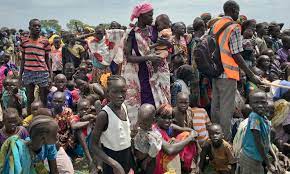
Burundi is facing a rapidly escalating humanitarian and public‑health emergency after more than 100,000 people fleeing renewed violence in eastern Democratic Republic of the Congo crossed into the country since late 2025.
The influx followed intensified fighting in South Kivu where clashes between armed groups and government forces have uprooted tens of thousands.
The conflict – part of a long‑running cycle of insecurity in eastern DRC marked by militia activity, communal violence and weak state presence – has pushed mostly women and children into Burundi in search of safety.
Refugees are now concentrated in overcrowded sites such as Busuma, which hosts more than 75,000 people living in harsh conditions.
The sudden arrivals have strained Burundi’s already fragile health system, which is simultaneously battling cholera, mpox, food insecurity and climate‑related displacement.
This has prompted the World Health Organisation (WHO) to deploy emergency clinics and launch mass vaccination campaigns in border communities.
WHO said in a statement on Thursday that it has established a health post and mobile clinics at Busuma, providing more than 16,000 consultations, supporting 78 safe deliveries and vaccinating over 28,000 children against measles.
Health teams are also offering mental‑health support and screening for malnutrition.
During a visit to the affected areas, WHO Regional Director for Africa Mohamed Janabi met national authorities and pledged continued support.
“No family should be left without access to health care simply because they have been forced to flee their homes,” he said.
“WHO remains committed to supporting Burundi to deliver lifesaving health services to refugees and host communities while strengthening preparedness for future health threats.”
He commended Burundi’s willingness to host displaced families despite its own challenges.
WHO has also strengthened disease surveillance and community engagement in high‑risk districts and handed over 24 tonnes of essential medicines and emergency vehicles to bolster the national response.
JN/APA