





The Egyptian Ministry of Tourism and Antiquities has strongly reaffirmed a strict ban on the export of archaeological objects, reports said on Tuesday.
This declaration comes in response to growing speculation and rumors surrounding private concessions granted to foreign operators for the Grand Egyptian Museum (GEM).
The debate over the commercialization of national heritage has intensified in Cairo in recent weeks, following the official inauguration of the GEM, widely recognized as the world’s largest museum complex. Local media had fueled speculation with reports of confidential negotiations between the Ministry of Antiquities and various foreign tourism groups for the management of temporary exhibition spaces, or even the movement of traveling collections outside Egyptian territory.
Faced with increasing criticism from archaeological and diplomatic circles, Ministry spokesperson Khaled Zaki clarified the government’s unwavering stance. He stated that “any export, even temporary, of authentic objects from the Pharaonic, Greco-Roman, Coptic, or Islamic periods is strictly prohibited by the Egyptian Antiquities Law (No. 117/1983) and its successive amendments.” The ministry further reiterated that Egypt is bound by international conventions, notably the 1970 UNESCO Convention, which impose non-negotiable conservation obligations.
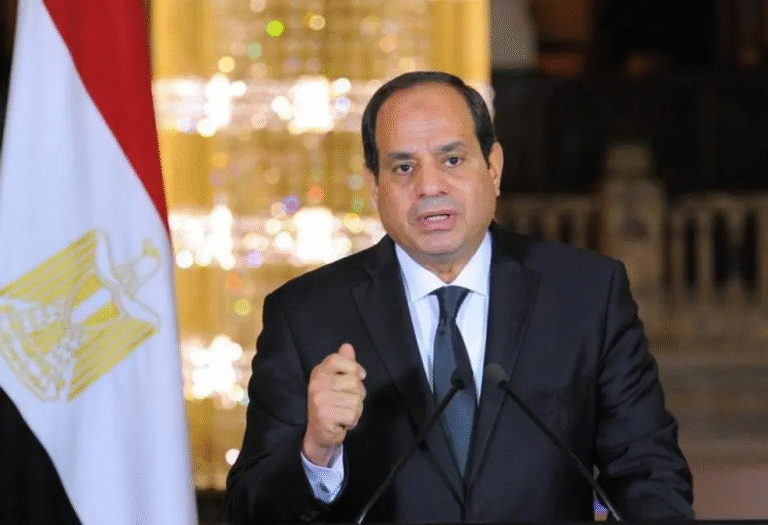
This clarification emerges at a time when cultural diplomacy is increasingly utilized as a tool for projecting national power. The GEM, strategically located in Giza near the Great Pyramids, is central to this strategy, serving as a primary instrument of Egypt’s regional and international influence. President Abdel Fattah al-Sisi personally oversaw the complex’s construction, emphasizing its role as a “pillar of the national cultural renaissance.”
The ministry clarified that planned partnerships with foreign museums, including the British Museum, the Louvre, and the Metropolitan Museum of Art, are exclusively limited to photographic or digital exhibitions, as well as joint research and training programs. To ensure compliance, the ministry also announced the establishment of a national committee to oversee international museum conventions, tasked with ensuring that no exceptions to the legal framework compromise public collections.
Despite these reassurances, some voices within the scientific community are calling for greater transparency regarding the museum’s funding agreements, particularly those with JICA (Japan International Cooperation Agency) and certain private foundations in the Gulf. The Association of Egyptian Archaeologists has requested an independent audit of the governance of the GEM project, whose budget reportedly exceeds $1.2 billion.
This firm stance by the Egyptian government aims not only to dispel public doubts but also reflects a broader desire to rigorously control the historical narrative surrounding ancient Egypt. This is particularly relevant in the face of perceived ideological reappropriation or Western reinterpretations deemed “reductive” by the Ministry of Culture.
MK/ac/Sf/fss/abj/APA