





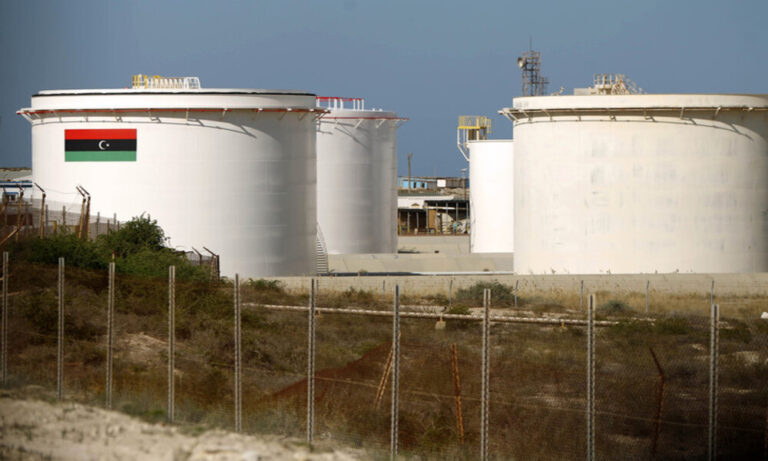
Cairo is currently negotiating monthly imports of at least one million barrels of oil from Libya to secure its refineries and offset disruptions in its traditional supply lines from the Gulf.
These discussions, held between Libya’s National Oil Corporation and the Egyptian General Petroleum Corporation, follow logistical difficulties in the Strait of Hormuz that have severely impacted deliveries of Kuwaiti crude. As a regional player with significant export capacity, Libya represents a strategic alternative for Egypt’s energy system, which relies heavily on consistent imports to maintain its refining operations.
Historically, Egypt has imported between one and two million barrels of Kuwaiti oil per month, alongside approximately one million barrels from Saudi Aramco through credit facilities. However, the Kuwait Petroleum Corporation was recently forced to invoke force majeure on its sales due to maritime disruptions in the Strait of Hormuz. This legal provision allows the corporation to suspend or reschedule deliveries without incurring contractual penalties, leaving Egypt to seek more reliable geographic partners to fill the resulting supply gap.
This shift in energy procurement occurs within a fragile international context marked by escalating geopolitical tensions in the Middle East. The Strait of Hormuz remains a critical bottleneck, as nearly 20% of global oil trade passes through the waterway; the current slowdown in maritime traffic there is directly impacting global supply chains and fueling market uncertainty. Further compounding these pressures, QatarEnergy recently announced a suspension of operations at its primary liquefied natural gas export facility following a drone attack. These cumulative disruptions are driving up the prices of oil and refined products, highlighting an urgent need for African importers like Egypt to rapidly diversify their energy sources.
MK/AK/te/fss/abj/APA