





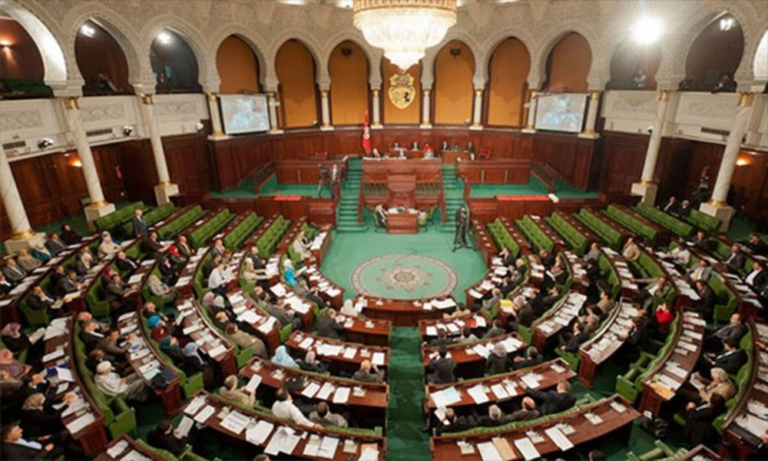
The Assembly of the Representatives of the People (ARP) in Tunisia has officially begun examining a significant reform of the national nationality code, which is currently under review by the Committee on Rights and Freedoms.
Sponsored by 36 members of parliament, the proposed draft law aims to balance a targeted opening of citizenship with more rigorous access conditions. This legislative move comes as Tunis seeks to modernize its legal instruments to increase national attractiveness while maintaining strict oversight over who can become a Tunisian citizen.
The draft suggests a partial overhaul of the existing system by repealing several key articles and replacing them with new provisions. One of the more inclusive shifts involves the automatic granting of nationality to individuals born in Tunisia to stateless parents, provided the parents have resided legally in the country for at least ten years. Furthermore, the reform stipulates that children born to unknown parents or found within Tunisian territory will be recognized as Tunisian citizens unless proven otherwise, marking a clear effort to address issues surrounding statelessness.
Despite these inclusive measures, the reform introduces tighter regulations for foreign nationals seeking naturalization. Most applicants will now be required to demonstrate seven years of continuous legal residency before they can apply for citizenship, a change that reflects the government’s desire to exert greater control over migration and integration in a sensitive regional context.
Additionally, the proposal introduces a “special merit” mechanism designed to attract high-level talent. This provision allows the State to grant citizenship to individuals with exceptional skills in strategic sectors such as technology, scientific research, the economy, or sports. By implementing this competitive talent-acquisition tool, Tunisia aligns itself with international trends used by countries looking to bolster their global competitiveness. The ultimate success of this reform will depend on the transparency of its implementing decrees and the ability of national institutions to balance economic priorities with political concerns over sovereignty.
MK/AK/Sf/fss/abj/APA