





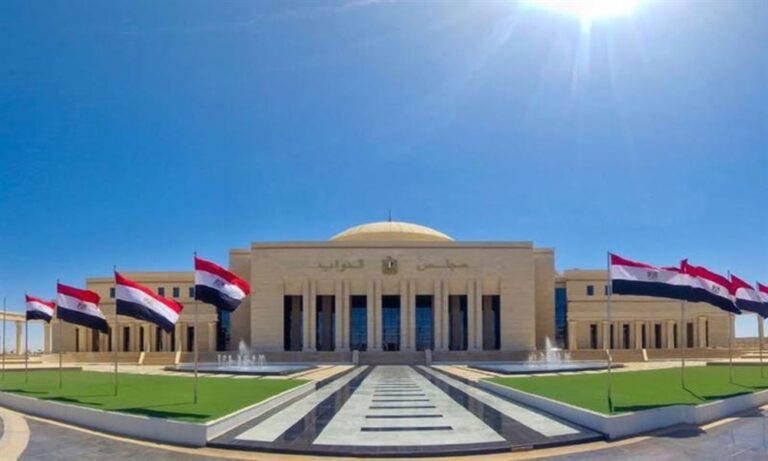
A draft amendment to Egypt’s nuclear activities law has sparked differing views among authorities and experts over safety standards and costs during parliamentary deliberations.
The Egyptian House of Representatives has approved in its first reading a bill amending Law No. 7 of 2010 governing nuclear and radiological activities.
Presented by the government, the text aims to modernise the legal framework of a strategic sector, according to a joint report by the energy and legislative affairs committees. Discussions have revealed clear divisions between safety imperatives and concerns over financial costs.
As part of this reform, the bill seeks to strengthen the powers of the Nuclear and Radiological Regulatory Authority. It notably introduces a more precise definition of radioactive facilities in order to clarify the scope of entities subject to oversight. The authorities say this would enhance supervisory mechanisms and reduce regulatory grey areas identified under the current law.
The reform also includes an overhaul of the licensing and permit fee system. The new structure introduces a progressive pricing model based on the nature of activities and level of risk. Supporters argue that this approach would bring greater consistency and fairness to sector regulation.
However, the proposal has drawn criticism from some experts. Former Deputy Head of the Nuclear Power Plants Authority Ali Abdel-Nabi said the reform places excessive emphasis on fees. He also pointed to the absence of detailed provisions on liability in the event of a nuclear accident, which he considers essential for protecting both the population and the environment.
In this context, the debate has expanded to the role of the state in financing the sector. Some experts are calling for reduced financial burdens on public projects and incentives for private investors, particularly in areas requiring major infrastructure investment. By way of example, permit costs for certain facilities are considered high, potentially discouraging initiatives.
Conversely, several lawmakers defended the bill, stressing the need to maintain a strict safety framework. They noted that certain violations related to nuclear activities pose direct risks to national security and the environment, justifying strict penalties.
The debate remains ongoing, reflecting a delicate balance between regulatory control and efforts to develop Egypt’s nuclear sector.
MK/AK/Sf/lb/as/APA