



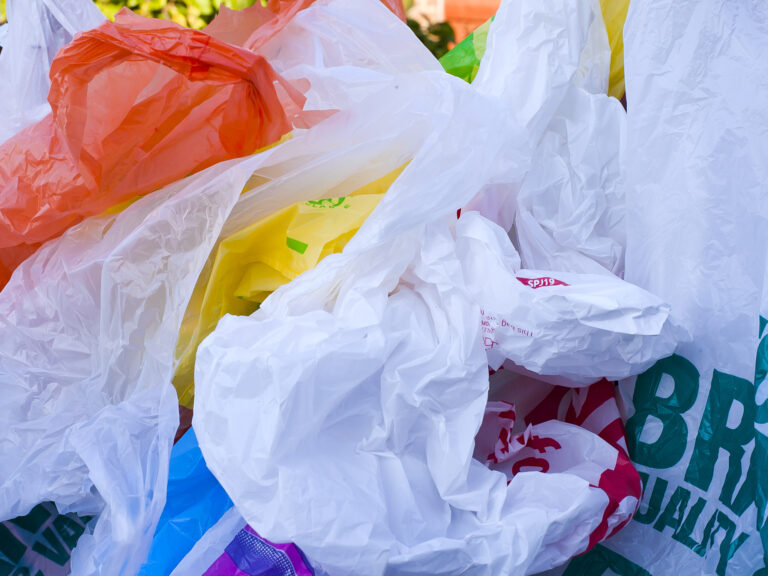
The government of Ethiopia has enforced a proclamation banning the import, manufacture, and commercial use of thin, single-use plastic bags effective January 31, 2026.
The enforcement followed the expiration of a six-month transition period granted after the approval of a proclamation banning the manufacture, import and possession of single-use plastic products, the Ethiopian Environmental Protection Authority (EPA) said over the weekend in a statement.
The proclamation was endorsed on July 30, 2025.
The move, aimed at curbing severe environmental pollution, ends a six-month grace period and will see violators facing significant financial penalties.
According to EPA, all preconditions for implementing the long-debated proclamation have been met and hence starting January 31, 2026 any business or individual caught using, producing, or importing these ubiquitous bags will be liable for fines.
Fines are set starting from 2,000 Ethiopian Birr for end-users and increasing sharply to between 50,000 and 200,000 Birr for suppliers, manufacturers, and importing organizations.
Lelise Neme, Director General of the Environmental Protection Authority (EPA) was quoted as saying that all stakeholders are now fully responsible for complying with the ban on single-use plastic bags, stating that extensive awareness campaigns were conducted during its preparation and implementation phase.
“We have carried out extensive sensitization work for various stakeholders during the preparation and execution of the proclamation. The time given was adequate, and for the effectiveness of the proclamation, everyone must now fulfill their responsibility,” Neme stated.
She emphasized that strict monitoring will be in place to ensure the law is implemented, with the goal of guaranteeing the right to live in a clean and healthy environment.
However, the ban faces resistance from industry. The Ethiopian Plastic Manufacturers Association has formally objected, arguing the policy will damage existing trade systems and was enacted without a proper assessment of public readiness or the availability of affordable substitutes.
MG/as/APA