





The Food and Agriculture Organisation (FAO) is advancing the transformation of Zimbabwe’s agriculture by harnessing the transformative potential of artificial intelligence and digital technologies in rural agrifood systems.
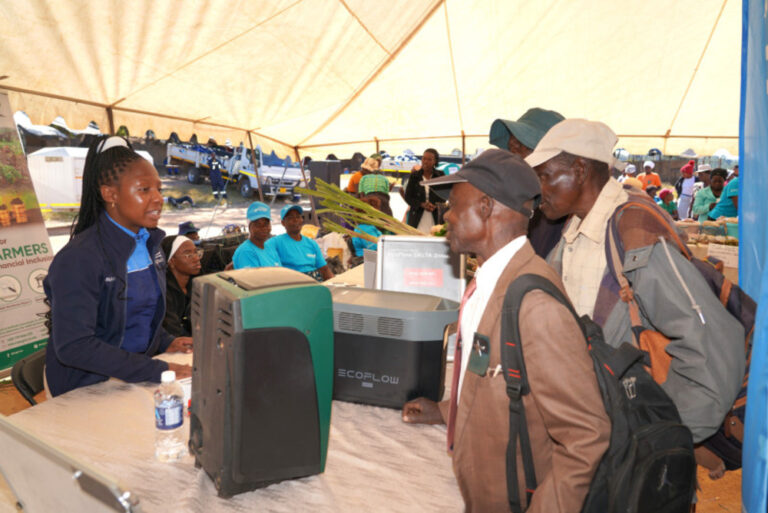
The potential of an AI-driven agricultural revolution was exhibited during a digital agriculture fair held at the weekend in Bikita district in southeastern Zimbabwe.
The fair drew farmers, agri-entrepreneurs, digital service providers and government representatives to a dynamic platform that facilitated knowledge exchange and real-time onboarding to AI-powered agriculture solutions.
“This project facilitates delivery of innovative agricultural extension services for increased productivity, enhanced market access, and advance inclusive rural transformation,” said Patrice Talla, FAO Subregional Coordinator for Southern Africa and Representative to Zimbabwe.
“It will also support local farmers, extension officers, agro-dealers, and processors, particularly the youth and women.”
The fair is part of FAO’s initiative to foster digital villages through innovative advisory and profitable market services project, which aims to transform agrifood systems in rural Malawi, Rwanda and Zimbabwe using effective technologies, including AI.
The Bikita digital fair showcased mobile market platforms, advisory apps and digital extension tools tailored for smallholder farmers.
Local officials praised the initiative for sparking renewed enthusiasm for digital transformation in agriculture among local communities.
District Development Coordinator for Bikita, Bernard Hadzirambwi encouraged farmers to adopt digital technologies to enhance productivity and resilience.
“Rural innovation thrives when communities connect and interact with digital technology,” Hadzirambwi said.
In Bikita and Mhondoro-Ngezi districts, digital hubs are being set up with free internet access, computers and literacy training materials.
FAO plans to integrate digital fairs into annual agriculture shows across districts and wards, aiming to enhance adoption and innovation in underserved communities.
JN/APA