





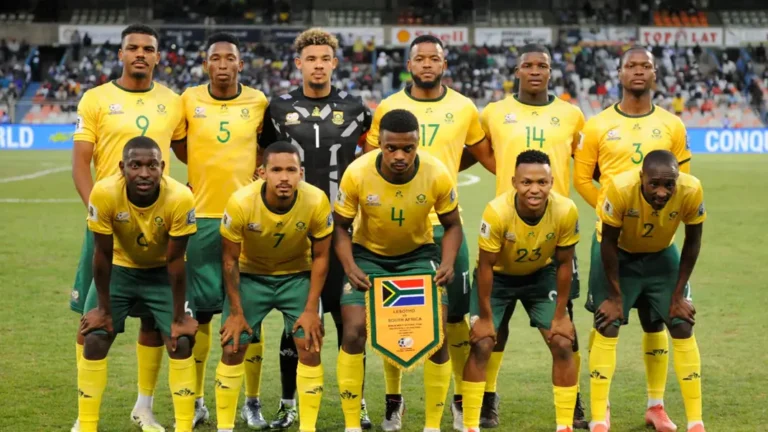
South Africa’s return to the FIFA World Cup stage comes at a moment of uncomfortable continental scrutiny as Bafana Bafana prepare to open their 2026 campaign amid anger across Africa over months of violent xenophobic attacks back home.
The question now hanging over Thursday’s match against Mexico in Mexico City is whether the team can still count on the support of fellow Africans – a backing that has traditionally defined South Africa’s football identity – or whether resentment over the attacks will overshadow the moment.
Across the continent, many fans say they cannot bring themselves to cheer for South Africa while foreign nationals, particularly Africans, continue to face intimidation, assault and displacement in parts of the country.
The latest wave of violence has seen vigilante groups target migrants from Mozambique, Zimbabwe, Malawi, Ghana, Mozambique and Nigeria.
In Mossel Bay alone, at least five Mozambicans were killed, while hundreds more fled their homes. Kenya, Mozambique and several other governments have issued travel advisories warning their citizens of the deteriorating security situation.
These attacks are part of a long‑running pattern. South Africa has experienced recurring cycles of xenophobic violence since the deadly nationwide attacks of 2008, which left more than 60 people dead and displaced around 100,000 people.
Subsequent flare‑ups in 2015, 2019 and the early 2020s have reinforced a perception among many Africans that migrants remain unsafe in the region’s most industrialised economy.
Rights groups say the latest incidents — including assaults, looting of foreign‑owned shops and forced evictions — reflect deepening tensions in informal settlements and mining communities.
It is against this backdrop that Bafana Bafana step onto the global stage.
Ordinarily, South Africa enjoys broad continental goodwill at major tournaments, with fans from Lagos to Lusaka to Harare often rallying behind the team.
But this year, many African supporters say they will be rooting for Mexico instead.
On social media, football forums and radio call‑in shows, fans argue that solidarity in sport cannot be separated from the lived experiences of Africans in South Africa’s townships.
For the players, the political climate is beyond their control, yet its impact is unavoidable.
The World Cup is unfolding at a time when South Africa’s image on the continent is under strain, and the team’s performance — and reception — will unfold in that context.
Whether football can soften the anger or whether the resentment will harden remains to be seen but the tension underscores how deeply the violence has affected regional perceptions.
JN/APA