



In a proactive effort to mitigate the severe environmental hazards of the upcoming rainy season, Malian authorities announced on Tuesday, May 19, 2026, the early activation of their national flood management framework.
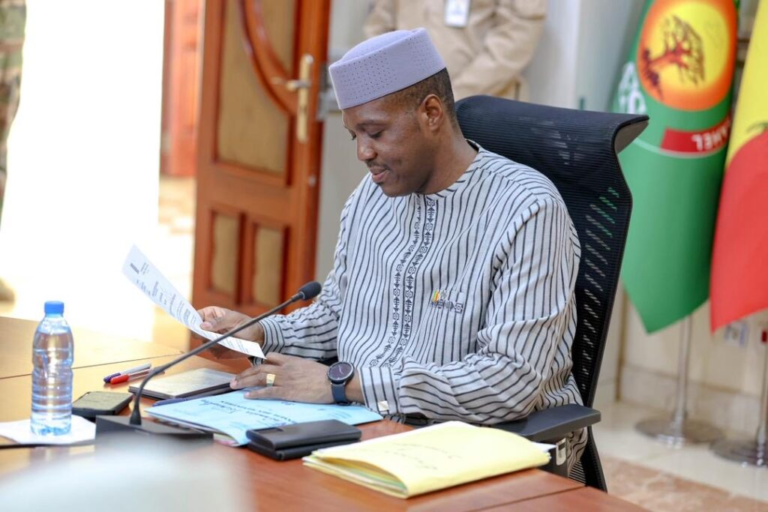
The comprehensive strategy focuses on aggressive preventative engineering and the immediate mobilization of state resources to shield vulnerable communities from rising waters. Malian Prime Minister General Abdoulaye Maïga solidified the defense plan while chairing the second meeting of the Interministerial Crisis and Disaster Management Committee, which serves as the state’s central coordinating body for natural disasters.
A primary directive from the summit is the emergency activation of the Crisis Coordination and Management Center (CECOGEC), which will operate under a round-the-clock crisis mandate from June 1 through November 30, 2026, to span the entirety of the high-risk weather window. Engineering crews have already begun dredging vital drainage channels and large stormwater collectors across the Bamako district and peripheral regions. Simultaneously, municipal teams are clearing riverbeds and removing illegal structural impediments from public easements to maximize natural rainwater flows and prevent urban bottlenecks.
This rapid institutional mobilization is a direct response to the catastrophic seasonal floods of 2024, when torrential rains overwhelmed regional infrastructure. Official assessments from that period recorded at least 122 major flood incidents between June and August across 17 distinct regions and the capital district, directly impacting roughly 47,374 citizens, causing dozens of fatalities, and triggering extensive material losses that forced the state to declare a national disaster.
To prevent a recurrence of that emergency, the 2026 action plan integrates roughly twenty distinct operational mandates designed to heighten surveillance and accelerate local rescue capabilities. The government has allocated a dedicated budget of more than 4.7 billion CFA francs to secure these anticipatory measures, streamline inter-agency communication, fund public awareness campaigns, and organize regional emergency supply networks. Backed by national financing and domestic technical experts, the Ministry of the Environment, Sanitation, and Sustainable Development has already scaled up its dredging operations to cover hundreds of kilometers of critical infrastructure. Government ministers concluded the session by emphasizing that maintaining rigid, unyielding vigilance throughout the coming months is the only viable mechanism to protect essential infrastructure and preserve rural livelihoods against the unpredictable impacts of climate-driven seasonal flooding.
MD/ac/lb/abj/APA