



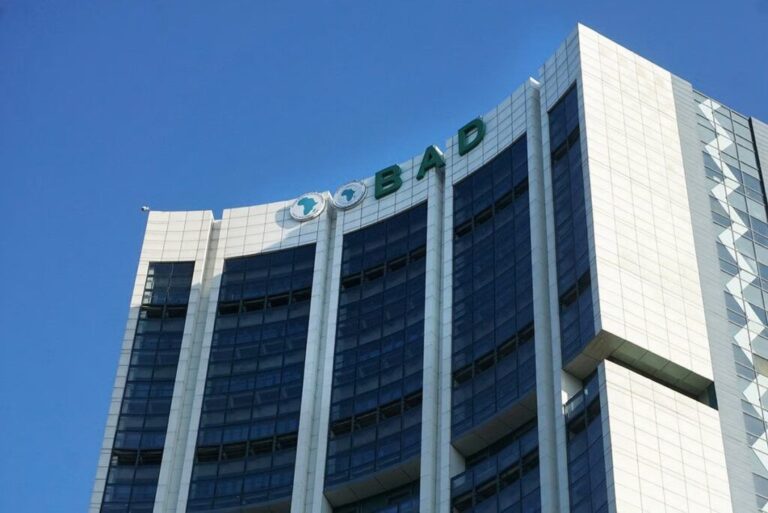
The African Development Bank (AfDB) has approved $487 million in financing for Morocco to support structural reforms, boost private investment, and strengthen the kingdom’s economic and
climate resilience.
On Wednesday in Abidjan, the Board of Directors of the AfDB Group approved $487 million in
financing for Morocco.
As part of the third phase of the Program to Support the Strengthening of Economic Governance and Resilience to Climate Change (PGRCC), this operation aims to foster more dynamic and inclusive growth while enhancing the Moroccan economy’s capacity to withstand external shocks – particularly those related to energy crises and climate change.
According to an AfDB statement, the program also seeks to bolster the private sector’s role in investment and value creation, while refocusing the State’s efforts on its core strategic functions.
The financing is structured around two main pillars. The first focuses on improving the efficiency of public action, notably through the restructuring of the public enterprise portfolio, the modernisation of the public-private partnership framework, and the enhancement of the business climate.
The goal is to stimulate private investment, with a particular emphasis on small and medium-sized enterprises (SMEs), innovation, and the integration of Moroccan firms into global value chains.
The second pillar, which addresses climate and energy resilience, includes the modernisation of governance in the water and electricity sectors, as well as the better integration of climate-related issues into public policy, with the aim of accelerating the transition toward a low-carbon economy.
“Our ambition is to help cushion the impact of exogenous shocks – whether economic, energy-related, or climate-related,” stated Abdoulaye Coulibaly, Director of the Governance and Economic Reforms Department at the African Development Bank (AfDB), as quoted in the press release.
The third phase of the PGRCC (Governance and Economic Reform Support Program) is intended to consolidate the reforms initiated during the program’s previous stages, while also supporting Morocco as it navigates the repercussions of the crisis in the Middle East – most notably rising energy and transport costs.
According to Achraf Tarsim, head of the AfDB’s country office in Morocco, this funding reinforces the efforts already undertaken by the kingdom.
“Morocco has chosen to take action by continuing its reforms despite external shocks,” he emphasized, noting that the Bank’s objective is to sustain this momentum in order to accelerate economic transformation, stimulate growth, and create more jobs.
Since 1987, the AfDB has mobilised nearly 15 billion euros to support more than 150 projects in Morocco.
AK/fss/as/APA