



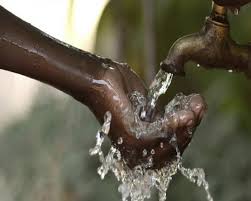
Cape Town residents will face water restrictions from 1 December after the national government reduced water allocations to the Western Cape Water Supply System (WCWSS) by 11 percent amid declining dam levels, below-average winter rainfall and forecasts of a potentially strong El Niño event.
Water and Sanitation Minister Pemmy Majodina this week announced a seven-percent cut in domestic and industrial water allocations and a 15 percent reduction in allocations for agricultural irrigation for the 2026/27 hydrological year following the department’s annual assessment of the system.
The WCWSS, which supplies Cape Town and surrounding municipalities through six major dams, recorded combined storage levels of 72.5 percent on 2 November, down from 84.4 percent a year earlier and below the preferred operational benchmark of 80 percent.
Winter rainfall reached 752.8mm, compared with a long-term average of 964mm.
The allocation reductions remove 56.8 million cubic metres of water from the system annually, with agriculture losing 29.6 million cubic metres and domestic and industrial users 27.2 million cubic metres.
Under Level 1 water restrictions announced by Cape Town city officials on Wednesday, residents should reduce water consumption by at least 10 percent and limit usage to about 85 litres per person per day.
Level 1 restrictions are the least severe stage of South Africa’s water-demand management measures and are designed to curb consumption before dam levels reach critical lows.
Under the restrictions, municipal water may only be used to irrigate gardens on designated days and times, swimming pools must be covered when not in use, and the hosing down of driveways, pavements and other hard surfaces is prohibited.
Officials said forecasts of a strong El Niño event, which could bring hotter conditions and increased evaporation, also informed the decision.
JN/APA