





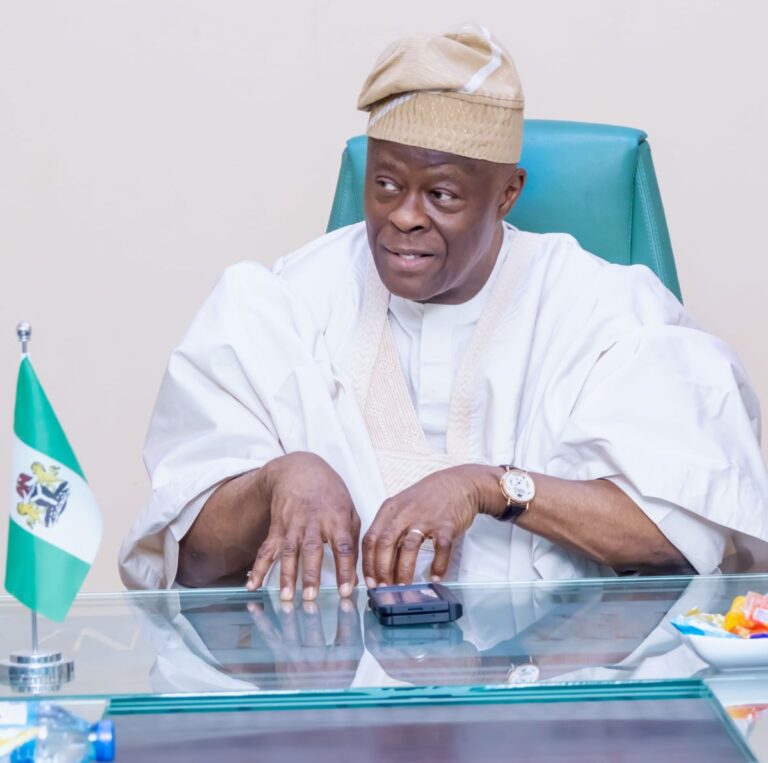
Nigeria’s Minister of Finance and Coordinating Minister of the Economy, Mr. Wale Edun, has stressed the need for Nigeria to reposition itself as an export-driven economy.
Speaking at the 2026 edition of the Nigeria Business Summit of the Stanbic IBTC Holdings, Mr. Edun said: “Our true potential lies in becoming a leading export economy. Increased participation in regional and global trade will be critical to diversifying foreign exchange earnings and driving inclusive growth.”
He noted that while Nigeria’s GDP growth has improved to approximately four per cent, it remains below the level required to significantly reduce poverty.
According to him, the Nigerian economic strategy is shifting from stabilisation to growth acceleration, with trade expansion playing a central role.
Edun highlighted ongoing reforms, including improved foreign reserves, rising non-oil revenues, and renewed investor confidence, as indicators of a more resilient economy.
However, he stressed that enhancing trade competitiveness would require continued investment in infrastructure, logistics, and policy coordination.
He also highlighted the importance of small and medium-sized enterprises, which account for over 90 per cent of businesses, noting that inclusive growth will depend on stronger collaboration between the public and private sectors.
With the theme, “Nigeria Means Business: Powering Sectors, Growing Sustainable SMEs & Unlocking Global Trade,” the summit addressed key sectors including agribusiness, renewable energy, trade and Africa–China banking, as well as ICT and telecommunications.
Additional sessions covered family business sustainability, artificial intelligence, employee value banking, insurance, pension, and wealth management.
A statement from the bank on Tuesday stated that the two-day summit brought together industry leaders, policymakers, entrepreneurs, and stakeholders across multiple sectors to explore sustainable business practices, foster economic growth, and unlock global trade opportunities.
It added that the participants engaged in presentations, panel discussions, and networking sessions, including the Africa Trade Barometer presentation and discussions on intra-African trade opportunities.
GIK/APA