



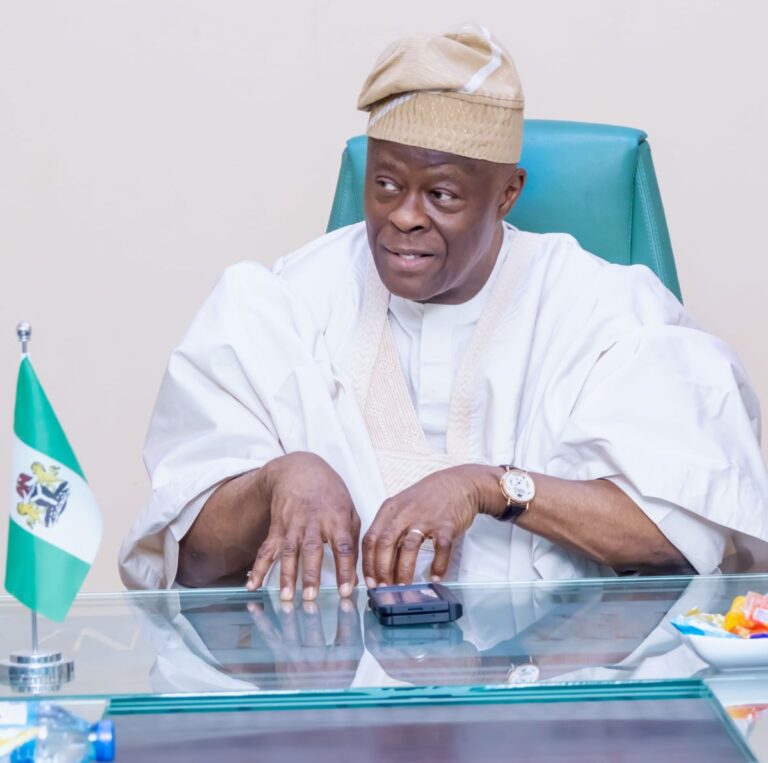
Nigeria’s Minister of Finance and Coordinating Minister of the Economy, Mr. Wale Edun, has urged developing countries to adopt measures to mitigate global shocks.
Speaking at the G24 news conference held on the sidelines of the ongoing International Monitary Fund (IMF) meeting in Washington DC.C on Tuesday, the Nigerian minister said that premature or excessive interest rate hikes could undermine ongoing economic transformations, delayed responses risk fueling inflation.
He disclosed that central banks of developing countries have played critical roles to steer economies through the energy crises and tensions.
Edun explained that strategic measures to be adopted differs across oil-producing nations and that Nigeria benefits from higher revenues, but oil importers face rising costs, though both experience inflationary pressures from energy markets.
According to him, oil exporters are not insulated as increased gas, fertilizer and food prices are being experienced across economies, highlighting the widespread impact of the current global energy crisis.
Edun said that there was the need for resilience, urging countries to utilise built-up buffers and adopt targeted temporary relief measures for vulnerable populations rather than reversing key economic reforms already implemented.
He cautioned against returning to subsidies, stating that reforms such as fuel subsidy removal and foreign exchange liberalisation had strengthened Nigeria’s economic framework in spite recent external shocks.
The minister said that countries should prioritise support to their poorest citizens, ensuring that they cope with rising living costs without undermining long-term structural reforms critical to sustainable economic growth.
Edun said that positive oil price shocks could boost fiscal and external accounts for exporters, creating space for responsible public investment, while urging adherence to sustainable macroeconomic management practices.
He said that debt servicing costs for developing countries had surpassed inflows from aid and investment, limiting fiscal space and constraining their ability to pursue meaningful economic transformation efforts.
He called on multilateral institutions to provide increased liquidity support and policy guidance to help developing nations navigate current challenges and manage heightened financial vulnerabilities effectively.
Edun said that domestic resource mobilisation was a sustainable pathway, urging improved tax systems and greater private sector participation to drive revenue growth and reduce reliance on external financing sources.
Local media reports on Wednesday quoted Edun as saying that concessional financing and innovative risk management tools should be embraced to reduce borrowing costs, high debt servicing obligations that hinder development and economic transformation across many developing countries.
GIK/APA