





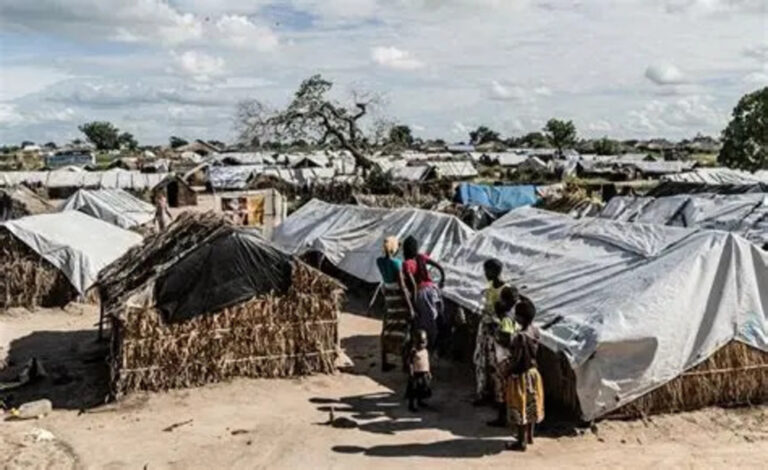
More than 100,000 people have fled their homes in northern Mozambique in the past week alone, the UN Refugee Agency (UNHCR) warned, as a surge in violence spreads into once‑safe areas and pushes humanitarian needs to critical levels.
UNHCR representative Xavier Creach said the latest wave of attacks has struck villages in Nampula and Niassa provinces, expanding beyond Cabo Delgado where the insurgency first erupted in 2017.
He said armed groups often attack at night, burning homes and forcing civilians into chaotic escapes that separate families and leave belongings behind.
“This is the fourth massive influx northern Mozambique has faced in recent months and resources are now really missing,” Creach said.
He described displaced families as traumatised, with urgent needs for food, shelter, water, and mental health care.
Host communities are struggling to cope, with classrooms and temporary shelters overcrowded, while women face heightened risks of sexual violence.
Since the conflict began, more than 1.3 million people have been displaced, most from Cabo Delgado.
The spread of attacks into previously safe districts has sharply worsened the crisis, according to UN spokesperson Stéphane Dujarric.
Children account for two‑thirds of those uprooted, followed by women, increasing vulnerability to exploitation and disease.
In response, the UN has allocated US$6 million from its Central Emergency Response Fund to support 120,000 displaced people in Nampula province.
The funding will prioritise water, sanitation and hygiene services to contain a cholera outbreak, alongside shelter, household items and livelihood support.
UNHCR said far more is needed, estimating US$38.2 million would be required in 2026 to meet rising needs, with current funding at only half the required amount.
Overcrowded shelters and inadequate aid have even forced some families to return to unsafe areas despite the risks.
JN/APA