



South African authorities are investigating possible treason charges against individuals and organisations accused of “spreading misinformation” outside the country.
The Hawks, South Africa’s Directorate for Priority Crime Investigation, have confirmed that the National Prosecuting Authority (NPA) is investigating four cases of high treason related to the dissemination of false information.
Hawks head Godfrey Lebeya, speaking to SABC on Monday, did not name the organisations under investigation but mentioned that the cases involve individuals who may have “crossed borders” to spread misinformation.
“Four dockets have been opened by different people, possibly from different political parties, concerning individuals who may have crossed the border to communicate information perceived to be in the direction of high treason,” Lebeya stated.
According to South African law, treason consists of any conduct unlawfully committed by a person owing allegiance to another state with the intention of, among other actions, overthrowing the Pretoria government or violating, threatening or endangering the existence, independence or security of the country.
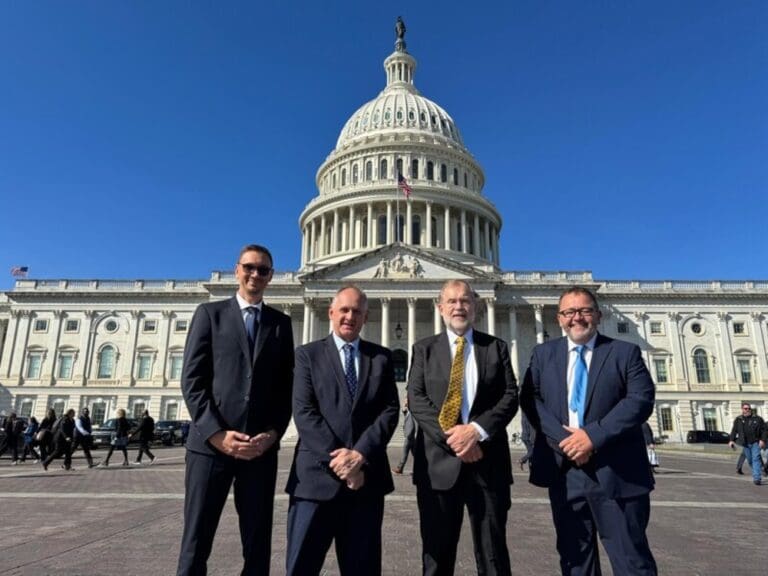
Representatives of the whites-only Solidarity Movement, AfriForum and Solidarity are currently in Washington DC where they are meeting US government officials.
The Hawks’ investigation is still in its initial stages, with the NPA set to decide on potential arrests.
Lebeya stressed the importance of careful evidence collection in such cases.
“These types of crimes require careful evidence collection,” he said.
Last month, the opposition MK Party opened a case of treason against AfriForum, accusing the lobby group of spreading misinformation about land and race policies, which allegedly led to US President Donald Trump cutting off aid to South Africa.
The party argued that AfriForum had lobbied foreign powers against South Africa’s sovereignty and economic interests.
Trump’s decision to cut off aid followed a social media post in which he claimed that “certain classes of people” in South Africa were being treated “very badly.”
He also issued an executive order offering refugee status to Afrikaners.
JN/APA