



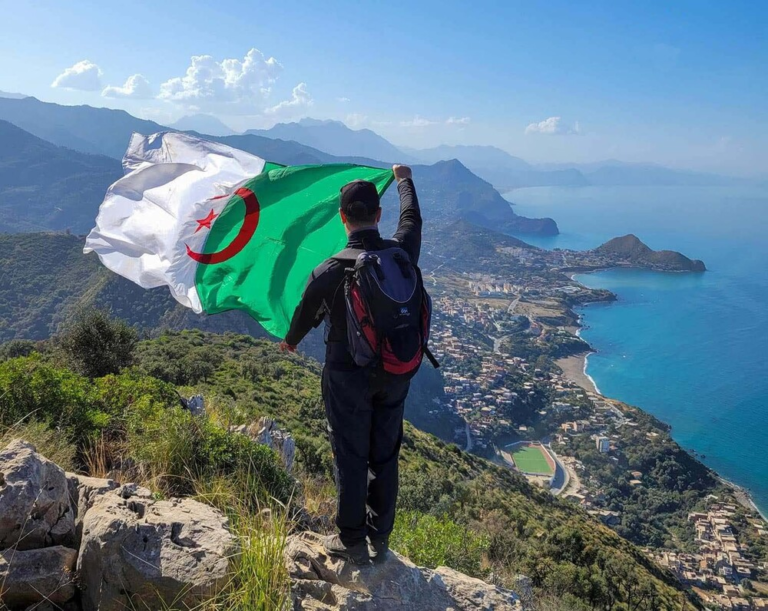
Algeria is on a frantic drive to ensure that its tourism indistry regains its Midas touch regionally.
However, despite the announcement of 280 new investment projects and efforts by the authorities to restore visibility to a sector long considered marginal, the industry continues to lag structurally behind leading Mediterranean and African destinations.
The Director-General of the Algerian Investment Promotion Agency (AAPI), Omar Rekkache, said in Mostaganem that 280 tourism projects have been registered since the entry into force of the new investment law. The projects represent more than 257 billion dinars in combined investment and are mainly focused on coastal, Saharan and thermal tourism, with an estimated 17,000 direct jobs expected to be created.
However, this momentum comes at a time when Algeria remains a secondary player in the regional tourism market, despite its geographical and cultural attractions.
The country continues to face a shortage of hotel infrastructure, limited international air connectivity, and a relatively weak competitive image among major industry operators. These challenges are compounded by administrative procedures that have long been described as cumbersome and unpredictable, discouraging investment, particularly from foreign actors.
The authorities now say they are seeking to reverse this trend through a series of reforms presented as key to improving the business climate. Investment Law 22-18 introduces tax incentives, partial digitalisation of administrative procedures and simplified access to land. The AAPI also says it is working with local authorities to accelerate project implementation, while a dedicated digital platform for investors is being rolled out in several provinces, including Algiers, Annaba, Jijel and Mostaganem.
This recovery strategy is also part of a broader effort to diversify an economy still heavily dependent on hydrocarbons. Tourism is increasingly seen as a potential driver of wealth creation and employment, particularly in coastal and Saharan regions.
However, the stated ambitions continue to face implementation challenges in a regional environment where neighbouring countries already have more mature and better-structured tourism ecosystems.
For Algeria, the real challenge is no longer limited to announcing projects or legislative frameworks, but rather ensuring their effective translation into operational infrastructure and sustainable tourist flows. Several programmes announced in recent years have experienced delays, fuelling scepticism among some investors. Despite official rhetoric highlighting renewed confidence, the sector remains far from international standards needed to sustainably reposition Algeria as a global tourism destination.
MK/te/Sf/lb/as/APA