



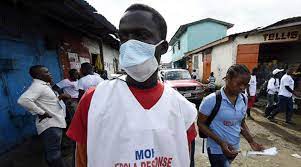
The U.S. State Department has urged Americans to reconsider any travel to Kenya, citing what it called the risk of health, crime, unrest and extremism.
“Reconsider travel to Kenya due to risk of health, crime, kidnapping, terrorism, unrest, and traffic safety. Some areas have increased risk,” the State Department said on Monday in a statement.
This came after Kenya had confirmed the eighth Ebola case, which is still linked to a Kenyan man who contracted the virus in the Democratic Republic of the Congo (DRC) and subsequently died on October 6.
Kenya’s health authorities confirmed an eighth Ebola case on Monday after a 49-year-old patient attendant tested positive.
The other six cases that have been detected are in isolation and there is currently no sign of community spread, according to Kenya’s Ministry of Health. The risk to the public remains low, it noted.
Over the weekend, the Office of the Director General for Health in Kenya issued a press release stating that of 130 contacts of the original patient who have been identified, 128 have been traced and put in quarantine.
Ebola spreads through direct contact with the blood or body fluids of a person who is sick with, or has died from, the disease, or with objects contaminated by these fluids.
The early signs of Bundibugyo Ebola look like malaria and other common illnesses, and include fever, tiredness, muscle or joint pains, headache and sore throat. Later signs can include vomiting, diarrhea and impaired kidney and liver functions.
Many people believe that bleeding is a common sign of Ebola. In fact, it is less common, and when it happens it usually appears later in the illness, according to the World Health Organization (WHO).
MG/as/APA