



District infrastructure linked to the health sector in Uganda are being augmented through management units, according to a statement from its health ministry.
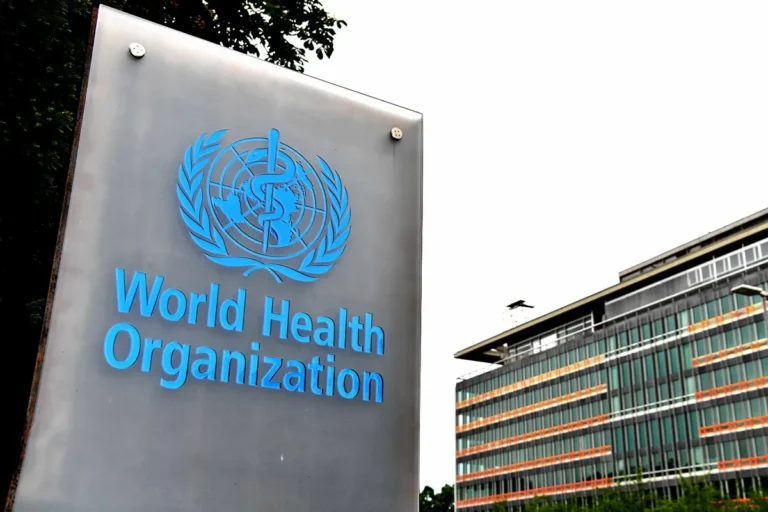
As Uganda continues to grapple with recurrent public health emergencies driven by epidemic-prone diseases and climate-related disasters, a new wave of strengthened district-level preparedness is emerging with technical support from the World Health Organization (WHO).
In the first quarter of 2025 alone, Uganda recorded 10 public health emergencies, eight of which were infectious disease outbreaks. From ebola and mpox to measles, anthrax, and yellow fever, nearly every WHO hub sub-region faced significant health threats.
Climate-related shocks, floods, and landslides further strained the already overburdened health system.
At the centre of Uganda’s frontline readiness is WHO’s District Health Management field teams, embedded across the country to support surveillance, coordination, and emergency response. These teams work through the District Health Offices and Regional Emergency Operations Centers (REOCs), serving as the first line of technical and operational support for districts.
Ebola-triggered turning point
The WHO said the need for enhanced district preparedness became especially clear following the recent Ebola Virus Disease (EVD) events in Mbale District, Mbale City, Fort Portal, Jinja, and the Kampala Metropolitan Area. The outbreak exposed gaps in early detection, risk assessment, and multi-sectoral coordination, gaps that WHO moved quickly to address.
“WHO has always been with us during the hard times when responding to Public Health Emergencies,” says Dr Jonathan Wanjisi, District Health Officer for Mbale district, adding that “the field teams have always stayed back to integrate emergency response actions into district health systems during recovery”.
His words echo the experience of many district leaders who now rely on the WHO’s long-term, on-ground support as more emergencies strike with increasing frequency.
Technical support beyond the crisis
WHO’s sub-national assistance goes far beyond outbreak response. District WHO teams remain in the districts long after emergencies subside, ensuring that critical functions, surveillance, Infection Prevention and Control, reporting, and coordination are embedded in routine health systems rather than treated as temporary interventions. This approach is helping districts shift from reactive response to proactive preparedness.
WN/as/APA