





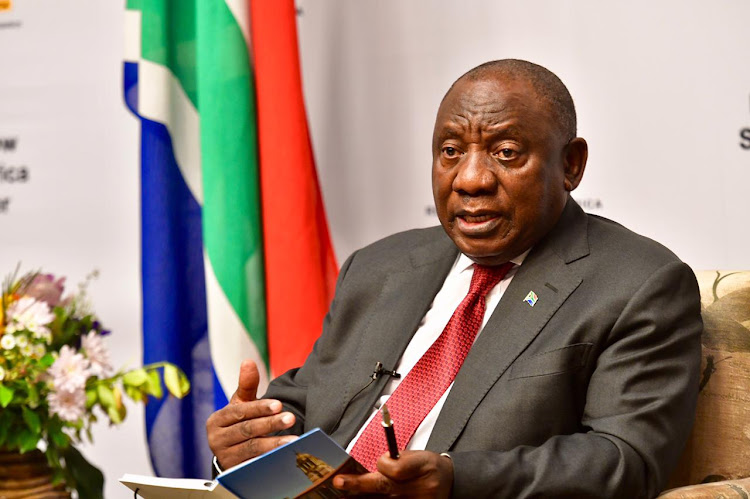
President Cyril Ramaphosa has warned that the outdated structure of the United Nations Security Council (UNSC) and the persistent use of veto powers by permanent members are eroding the UN’s legitimacy and obstructing global peace efforts.
In his weekly newsletter on Monday, the South African leader said the 80th anniversary of the UN Charter presents a critical moment for reflection and action.
“The UN is struggling to meet its mandate as contained in the UN Charter. It continues to be hampered by competing national interests that impede collective action,” he wrote.
“There is a lack of political will among member states to address many challenges, including the chronic underfunding of peacekeeping operations.”
He identified the structure and operation of the UNSC as the body’s most serious hindrance, noting that the decision-making architecture has remained unchanged since the end of World War II.
“These five permanent members effectively make decisions on behalf of more than 85 percent of the world’s population living in countries of the Global South,” Ramaphosa said.
“They continue to use their veto powers to effectively paralyse collective action and prevent timely responses to crises, even in the face of clear violations of international law.”
He argued that this imbalance undermines the UN’s neutrality and credibility.
South Africa has long supported the Common African Position on UN reform, which calls for expanded permanent membership and improved regional representation.
Ramaphosa urged renewed momentum behind stalled reform proposals, including restrictions on the use of veto powers.
He also called on the UN to actively enforce international law and human rights standards, warning that the global rules-based system is “profoundly fragile” amid rising conflicts, weakened pandemic response and faltering climate action.
His remarks come as world leaders gather in New York for this week’s 80th session of the UN General Assembly, convened under the theme “Accelerating Global Progress Through Intergenerational Collaboration.”
JN/APA