



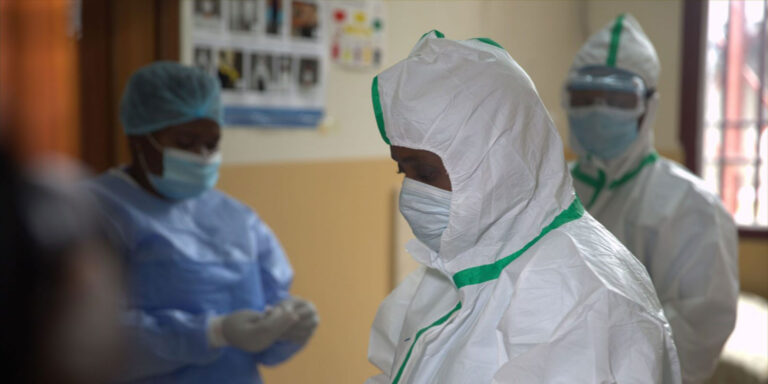
The World Health Organisation has launched a clinical trial of two potential Ebola treatments in the Democratic Republic of Congo, enrolling the first patient as the Bundibugyo‑species outbreak continues to widen across the region.
WHO director general Tedros Adhanom Ghebreyesus said the trial could significantly improve survival rates, noting that some patients recover without treatment but many more lives could be saved with effective therapeutics.
“Even without approved therapeutics, people are recovering from this disease, but of course, we could save many more lives with safe and effective therapeutics in our toolkit,” Tedros said.
The trial, coordinated with research institutions in DRC, Belgium and the United Kingdom, marks the first attempt to test therapeutics for this strain, which currently has no approved vaccines or treatments.
The DRC has recorded more than 1,400 confirmed cases and 438 deaths since the outbreak began in May and was declared a public health emergency. WHO data also shows 20 confirmed cases in Uganda, resulting in two deaths, and one confirmed case in France.
The Bundibugyo virus, a highly infectious filovirus related to Ebola Zaire, attacks the immune system and organs, with symptoms appearing between two and 21 days after infection.
Human outbreaks often begin through contact with infected animals, typically fruit bats, before spreading through bodily fluids.
JN/APA