





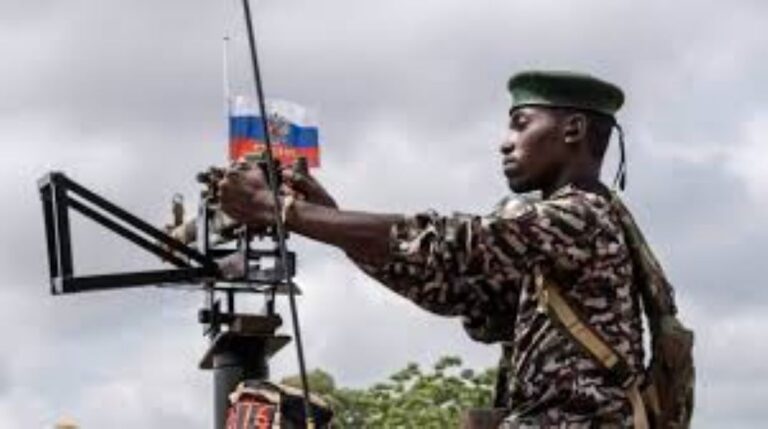
The Gambia is the latest African country to express grave concern that its citizens may have been conscripted to fight in the Russia-Ukraine conflict.
The government in Banjul is warning its citizens to steer clear of any theatre of conflict abroad pointing out that such a choice could expose them to mortal risks. The governments of Kenya and South Africa issued made similar warnings to their citizens after reports that some African combatants in Ukraine were trapped in the crosshairs, leaving everything on the cards especially their lives.
But why is this deadly conflict which entered its fourth year on February 24th, a magnet for Africans most of whom fight for Russia? With Africa’s teeming mass of the unemployed growing, analysts say the answers are not hard to come by.
Although analysts suspect that it could be more, rough estimates suggest that some 1500 fighters in the conflict come from Kenya, South Africa, Nigeria, Ghana and Tanzania. There are unverified reports that Gambians have also entered the fray as combatants fighting alongside the Russians.
According to a report by Kenya’s National Intelligence Service (NIS) released to MPs earlier in February, its citizens recruited to fight in the Russia-Ukraine conflict exceed 1000, more than from any other African country. The report says 89 of these recruits from Kenya have seen service at the warfront, with 39 hospitalised and 28 missing after pparticipating in combat operations.
The exodus from Africa of would-be migrants seeking greener pastures abroad has not thinned in recent years as attempts to flee poverty, economic stagnation, political persecution and insecurity become desperate.
There are known networks run by Russians which in the past have tricked Africans desperae for overseas jobs into traveling to Russia only to realise that it was all an elaborate hoax.
Russia’s relations with the continent is hitting the best of times. Officially and through proxies, Moscow is taking full advantage of this so-called diplomatic bonanza with African countries to serve its geopolitical interests at the lobby corridors of the UN and theatre of war operation in Ukraine, apparently hitting two birds with one stone.
It is well documented how Moscow with the help of unofficial intermediaries promising lucrative contract offers to work as construction workers, drivers or security guards or as students. Most of the unsuspecting migrants mainly from the mass of the unemployed in Africa and the Middle East, are usually forcibly conscripted into the Russian military once they set foot in Russia. According to some media reports many are left with no option but to join given the sinister choices of imprisonment or death. Using seemingly harmless job-seeking app, even young women are lured and eventually made to work in industrial plants manufacturing military products, including war drones.
With many African countries blighted by massive unemployment numbers and struggling economies, hard done by, thousands of jobless Africans have set their sights elsewhere to salvage themselves from this situation. Their means to this end varies, some risking their lives to reach Europe following irregular migrant trails in the Atlantic and the treacherous Mediterranean or jumping onto the job-seekers’ bandwagon bound for Russia where life in the war trenches awaits them as the conflict’s expanding band of untrained foreign mercenaries.
Ukraine has made several impassioned pleas to African countries not to allow their nationals to be used by the Russian military after several of these non-Russian combatants were captured by Ukrainian fighting units and screened and found to be from the continent.
Foreign minister Andriy Sybiga had complained to some of his African counterparts about this throughout last year. However, on the flip side, it is also generally suspected that Africans may be fighting on the side of Ukraine who are known for maintaining an international legion made up exclusively of foreign fighters. The government of President Volodymyr Zelensky created it shortly after the February 2022 invasion by Russia to help stave off the invaders. The first non-native fighters were deployed on the battlefront less than two weeks later.
A year after the invasion investigations by the New York Times suggested that non-Ukrainians fighting for the invaded country were close to 2,000 consisting of combatants from Western Europe, the United States and Lithuania.
With more and more economically disempowered Africans still desperate to leave the continent in search of opportunities elsewhere, analysts say it will take some time before recruiters on either side of the conflict in Ukraine will have their own job cut out.
WN/as/APA