





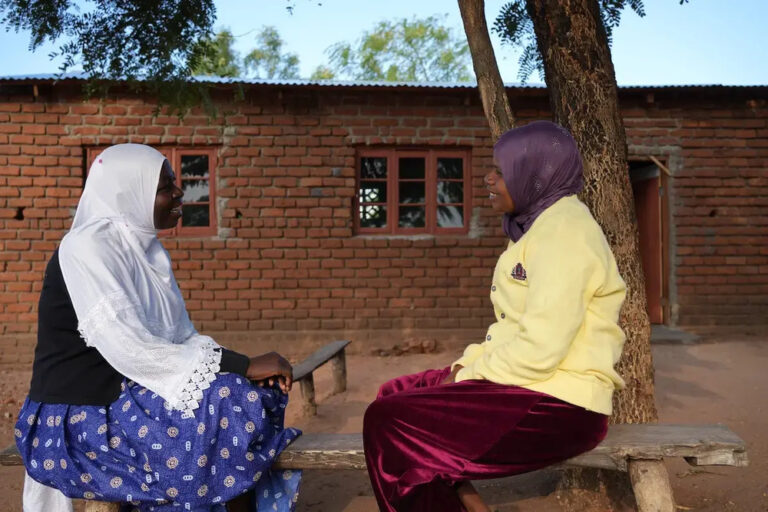
Women are reshaping the face of peacebuilding through a grassroots movement that is transforming conflict-ridden communities in southern Malawi and challenging entrenched gender roles.
Once sidelined in mediation and leadership, women in districts like Nsanje, Machinga, Phalombe and Thyolo are now leading efforts to resolve land disputes, political tensions, and gender-based violence.
Their work – supported by the Women’s Peace and Humanitarian Fund (WPHF) through UN Women – is redefining community dynamics and empowering hundreds of women and girls.
In Nsanje’s Mbenje area, women’s groups such as Chisomo, Yankho and Tadala have emerged as key players in conflict resolution.
Trained by the Youth Coalition for the Consolidation of Democracy, they have brokered peace dialogues, including one involving six political parties ahead of the 2025 primary elections.
Their advocacy has led to 17 Memoranda of Understanding with local chiefs, securing women’s inclusion in decision-making.
“We’re not just victims anymore – we’re problem-solvers,” Yankho Women Movement chairperson Stella Davie Maguza said.
In Machinga, women trained by Youth Net and Counselling resolved a religious feud between two brothers, one a chief, using empathy and dialogue. Their success has inspired broader community trust and support for women’s leadership.
Since December 2024, women in Machinga and Phalombe have resolved 42 conflicts and empowered over 896 women and girls. Eleven now hold formal leadership roles.
Peace Circle facilitator Brenda Charly, once economically dependent, now farms tomatoes and red maize, earning enough to pay her children’s school fees.
“This Peace Circle saved my life,” she said. “We uplift one another, share ideas and grow together. I’m no longer just surviving – I’m building a future.”
In Mizinga, facilitator Ednah Zuze has helped mediate dozens of disputes. Her inclusive approach – welcoming people with disabilities and faith leaders – has reached over 900 community members since March 2025.
“Women need to take on these roles because we’re often the ones most affected by conflict,” Zuze said. “Now, people know we’re here, and that alone discourages disputes.”
UN Women and WPHF continue to support these initiatives, training 60 facilitators in peacebuilding, gender-based violence prevention and humanitarian response.
JN/APA