



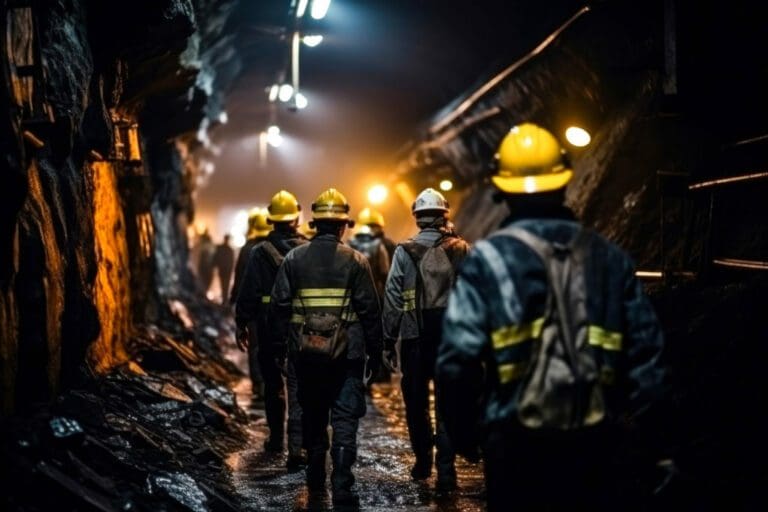
President Hakainde Hichilema has warned mining companies that Zambia will enforce a “use it or lose it” policy on mineral licences as the government moves to unlock stalled projects and accelerate progress towards its target of producing three million metric tonnes of copper annually.
Speaking at the 2026 Zambia Mining and Investment Insaka in Lusaka on Monday, Hichilema said mining rights should not be held for speculative purposes while the country seeks to maximise the contribution of its mineral resources to economic growth, investment and job creation.
The Zambian leader said the three-million-tonne target for copper output was achievable through a combination of expanding existing operations, reviving stalled projects and increasing mineral exploration across the country.
Among the projects expected to drive output growth is the revived Konkola Copper Mines operation and the Konkola Deep Mining Project, which he said stakeholders had agreed should contribute about 300,000 tonnes towards the national production goal.
Hichilema also pointed to the reopening of the Kitumba Greenfield project in Mumbwa District following the resolution of years of litigation, describing it as an example of how removing investment bottlenecks can unlock economic activity and attract fresh capital.
To support exploration and investment, he said his government had invested nearly US$100 million in a nationwide high-resolution geophysical mapping survey covering the country’s entire 752,000-square-kilometre territory.
The initiative is intended to reduce exploration risks and provide investors with better geological data.
Beyond increasing production, Hichilema urged mining companies to deepen their contribution to local development through employment creation, skills transfer and procurement from domestic suppliers.
The call for greater local participation was echoed by regional leaders attending the forum who argued that Africa must move beyond exporting raw minerals and focus on value addition.
Botswana’s Minerals and Energy Minister Bogolo Joy Kenewendo said African countries should invest in processing, manufacturing and technology to retain more value from their natural resources and drive industrialisation.
She called on Botswana, Zambia and the Democratic Republic of Congo (DRC) to strengthen regional integration and develop shared infrastructure to support mineral-based industries and regional value chains.
DRC Mines Minister Louis Watum Kabamba also advocated closer cooperation among mineral-rich countries, saying Zambia and the DRC should pursue complementary industrial strategies built around the copperbelt that stretches between Kolwezi and Ndola.
Kabamba highlighted opportunities in battery manufacturing and electric vehicle value chains, while calling for improved rail infrastructure, stronger geological cooperation and enhanced efforts to curb illicit mineral trade.
JN/APA