





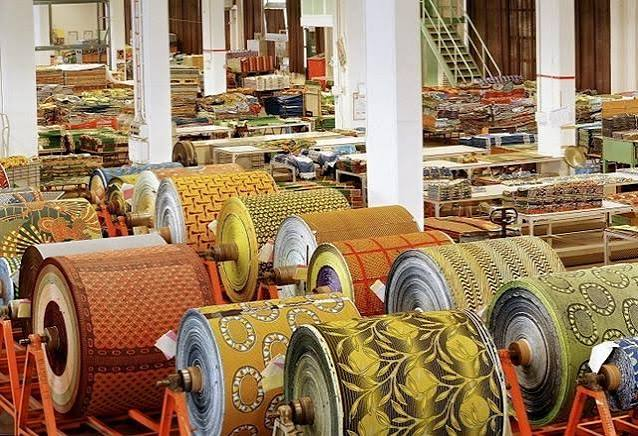
Nigeria’s textile production has increased by over 45 per cent, reducing dependence on imported clothing and creating fresh opportunities for manufacturers across the country.
Some Nigerian experts in the sector said that the growth reflected increased local investment, stronger patronage of Nigerian products and rising entrepreneurial interest among young people in Nigeria..
They urged the Nigerian Government to sustain the momentum through modern production facilities, affordable financing, stable electricity and vocational training to enhance global competitiveness.
An economic and development expert, Umar Salis, told the News Agency of Nigeria (NAN) that the production increase was due to the resilience and creativity of Nigerian entrepreneurs despite prevailing economic challenges.
According to Salis, Nigeria is steadily reversing years of dependence on imported garments through increased domestic production of jerseys, trousers, jackets, suits and T-shirts.
“The progress recorded in the textile industry creates jobs, conserves foreign exchange and strengthens Nigeria’s manufacturing base.
“Government should provide industrial clusters, affordable credit, uninterrupted electricity and advanced production equipment, especially for young entrepreneurs.
“With the right support, Nigeria can become a leading textile and garment production hub in Africa,” Salis said.
A garment manufacturer, Musa Ibrahim, said that the growing demand for locally produced clothing had encouraged many small and medium-sized enterprises to expand production nationwide.
He said that stronger consumer confidence in Nigerian-made products had stimulated investment, increased employment and strengthened activities throughout the textile value chain.
“We are producing quality jerseys, trousers, jackets, uniforms and corporate wear that compete favourably with imported products.
“Our major challenge remains access to modern machines, stable electricity and affordable financing,” Ibrahim said.
The experts agreed that sustained investment in domestic textile production would accelerate industrialisation, expand exports, strengthen manufacturing and further reduce Nigeria’s reliance on imported clothing.
GIK/APA