





Despite progress toward universal health coverage, approximately 609 million people in the WHO African Region still lacked full coverage for essential health services in 2025 – a figure that could reach 652 million by 2030 at the current pace.
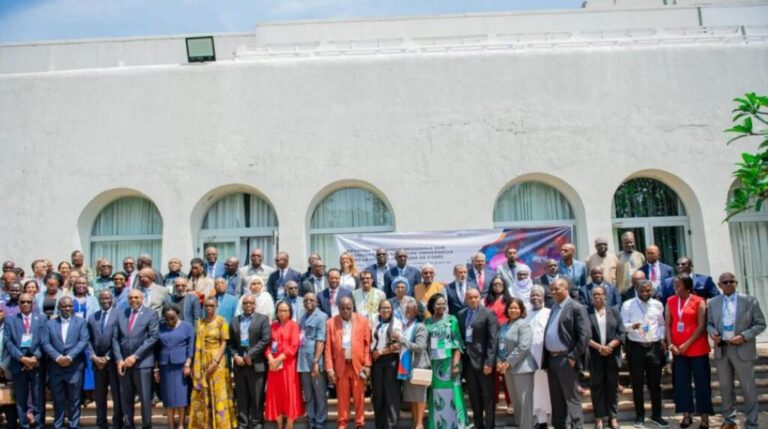
The gap in full health coverage is driven by population growth outpacing gains in access to care, based on data reviewed by public health officials from the 47 member states of the African Region meeting in Lomé from September 15 to 17, 2026.
Financial protection also poses a major challenge. The number of people facing financial hardship due to health spending rose from 391 million in 2017 to 491 million in 2025 and could reach 561 million by 2030 if current trends continue.
“The African Region has demonstrated that progress toward universal health coverage is possible. However, the data clearly show that the current pace will not be sufficient,” said Dr. Abdourahmane Diallo, Director of Programme Management.
Since the adoption of the Regional Framework for Action on Universal Health Coverage in 2017, African countries have made strides.
Notably, the number of countries with a service coverage index below 40 fell from 17 to two between 2017 and 2025.
However, the majority of countries remain in the 40-59 range, and current projections indicate that no Member State is expected to reach an index of 80 by 2030, underscoring the scale of the effort still required.
Furthermore, health systems must contend with a combination of challenges linked to demographic shifts, inequalities, the growing disease burden, recurring health emergencies, climate change, and budgetary constraints.
Against this backdrop, strengthening primary health care is among the priorities identified by officials gathered in Lomé. This entails, in particular, bringing quality, integrated, and continuous health services closer to the population while enhancing financial protection.
Accelerating progress toward universal health coverage will also require a health workforce tailored to needs, reliable access to essential medicines, products, and technologies, and improved use of data in decision-making.
The Lomé meeting offers an opportunity for countries to share experiences, identify approaches that have yielded results, and define priorities suited to national realities.
The conclusions will help shape regional priorities for 2030 and beyond, in alignment with WHO’s 2030 Strategic Plan and Regional Vision 2035 for Africa.
TE/Sf/fss/as/APA