





The Managing Director and Chief Executive Officer of the Rural Electrification Agency (REA), Mr. Abba Aliyu, says the agency has already provided electricity access to about eight million Nigerians under the Nigeria Electrification Project, with millions more set to benefit in the coming years.
Aliyu told Punch newspaper in an interview that out of the 90 million people said to be without electricity supply in Nigeria, the agency has taken 8 million people out of that list.
This, he said, was made possible by the efforts of the Nigerian Government to close the energy deficit gap.
According to Aliyu, the REA has not only met its targets, but exceeded them.and that the government is making efforts to ensure 17.5 million Nigerians are out of energy poverty in the next three years.
“There are reports that many Nigerians don’t have access to electricity. But under the Nigeria Electrification Project, we have provided electricity to 8 million Nigerians. We also have a programme that is targeting 17.5 million people. So, in three years 17.5 million people will also be out of darkness,” Aliyu said.
Nigeria has struggled with poor power supply for years. There are reports that about 90 million people, especially those in rural communities, have no access to electricity.
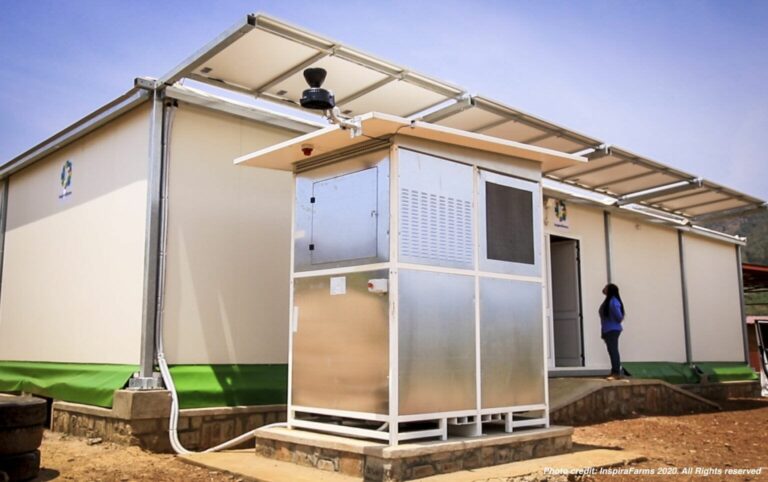
Aliyu maintained that the agency is building mini-grids in various communities, especially in areas far from the national grid and that eight universities have been electrified with solar grids.
He also noted that the agency planned to deploy 42 interconnected mini-grids, six of which have been completed.
“We are currently working on deploying 42 interconnected mini-grids, and six have already been completed in Osun, Plateau, Cross River, and Niger State,” he explained.
Aliyu explained that the agency was implementing the projects under the National Public Sector Solarisation Initiative, with agreements already signed to power several universities, including the University of Lagos, University of Benin, University of Ibadan, Obafemi Awolowo University, and University of Nigeria Nsukka, among others.
The REA boss said that the approach was private-sector driven, with capital grants used to incentivise operators.
“We are moving away from the traditional concept of government issuing contracts. What we are doing is incentivising the private sector to deploy infrastructure. This ensures sustainability because they have their own money at stake,” he stated.
The newspaper recalls that Nigeria’s Minister of Power, Mr. Adebayo Adelabu, had earlier said that the Nigerian government was trying to increase power generation, and that r efforts were in top gear to provide electricity to many Nigerians through different sources.
GIK/APA