





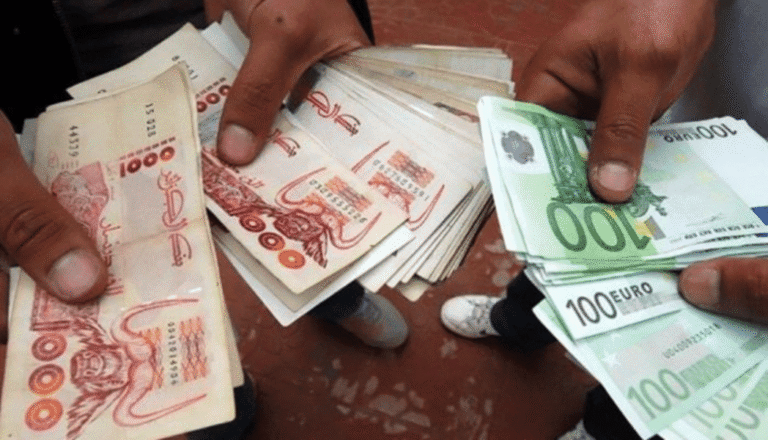
Faced with a worsening outflow of capital, Algeria is significantly escalating its efforts to combat fraudulent import practices.
The government aims to stem this financial hemorrhage, hoping to safeguard its dwindling foreign exchange reserves and revitalize a struggling economy.
The Ministry of Foreign Trade, under the leadership of Kamel Rezig, has launched a comprehensive control campaign. This initiative targets illicit practices such as over-invoicing, fictitious imports, and customs evasion. These activities have, for years, fueled a sprawling parallel market, contributing to the erosion of public finances and the depreciation of the national currency.
Already, several import licenses have been suspended or revoked, particularly in critical sectors including electronics, agri-food, and pharmaceuticals. Investigations are actively underway to purify trade channels and reduce what is considered a structural trade deficit.
This tightening of controls comes amidst a challenging economic climate. Algeria is experiencing the full impact of volatile oil prices, persistently weak non-hydrocarbon exports, and severe budgetary constraints. A new system for controlling import bank transfers, bolstered by enhanced oversight from the Bank of Algeria, is central to the strategy for curbing capital flight.
The country’s foreign exchange reserves have become a pressing concern, having plummeted from nearly $200 billion in 2014 to $45 billion by the end of 2024. For Algerian authorities, the current period demands strict rigor and transparency to manage these vital national assets.
MK/te/fss/abj/APA