





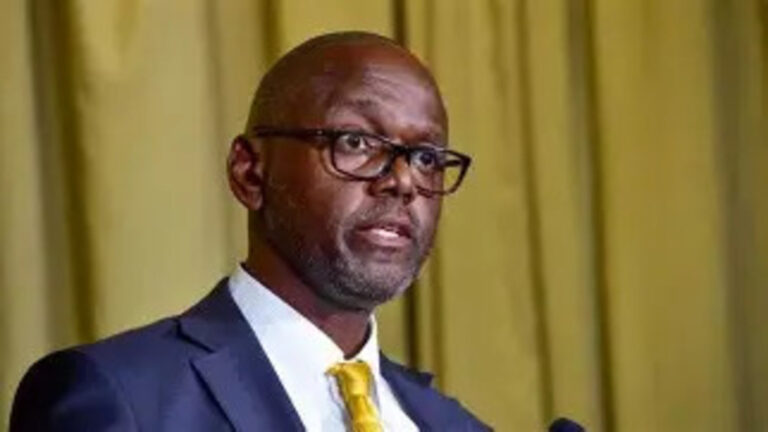
South Africa has pushed back against claims it is becoming isolated over its migration and foreign policy stance, saying President Cyril Ramaphosa’s approach is grounded in constitutional process and regional cooperation.
Presidential spokesperson Vincent Magwenya told reporters in Pretoria on Wednesday that government was concerned about what it described as a “sustained campaign” portraying South Africa as a pariah state following recent anti‑illegal migration protests.
“Over the last two months, we have observed a sustained campaign that seeks to isolate South Africa from the rest of the African continent under the guise of protesting against the recent wave of anti-illegal migration protests that we have recently experienced here in South Africa,” Magwenya said.
He said the narrative ignored repeated government statements condemning vigilantism and misrepresented South Africa’s diplomatic standing in Africa.
“This campaign has sought to create an impression that South Africa is now a pariah state, which must be referred to international courts.”
Magwenya said Ramaphosa’s position on illegal migration was rooted in collaboration with neighbouring states and an honest discussion about the factors driving people to leave their home countries.
He stressed that South Africa did not view itself as superior to other African nations and would not adopt a confrontational stance, arguing that migration pressures were shared across the continent and required collective solutions.
Anti‑migrant sentiment has intensified in South Africa in recent months, with groups accusing foreign nationals of straining public services and contributing to crime.
Protests targeting undocumented migrants have led to sporadic violence, intimidation and looting, prompting concerns from regional governments and civil society.
The government has repeatedly condemned attacks on foreign nationals and insisted that immigration enforcement remains the responsibility of the state.
Magwenya dismissed suggestions that tensions with countries such as Ghana and Nigeria signalled diplomatic isolation, saying African leaders acknowledged the pressures South Africa faced and continued to engage Ramaphosa through bilateral meetings, SADC summits and state visits.
He also rejected claims that South Africa’s image had been damaged by anti‑immigration campaigns or misinformation, saying investor confidence remained strong and pointing to recent meetings between Ramaphosa and major global companies.
Magwenya cautioned against proposals to nationalise South African business assets in other African countries, saying such moves would harm regional economies.
Magwenya said government had published a clear plan to address illegal migration through lawful means and had consulted traditional leaders, business, labour and other stakeholders.
JN/APA