





Algeria’s upcoming local elections are facing a critical test, with growing signs that an increasingly disaffected electorate is turning to voter abstention as its primary form of political expression.
The political fallout from the country’s July 2, 2026, legislative elections did not end with the announcement of the ballot results. Beyond individual party victories and defeats lies a far more concerning reality: a historic boycott that has severely undermined the credibility of the entire electoral process. With municipal elections now just months away, there is little indication that the root causes of this widespread public mistrust have been addressed, pointing instead toward another round of heavy voter rejection.
As political parties gear up for this next campaign, they do so facing an unprecedented trust deficit. Standard campaign promises of renewal are failing to convince a public weary of empty rhetoric. If political organizations continue to rely on closed-door candidate selection processes, voter turnout for these local elections could plunge even lower than before.
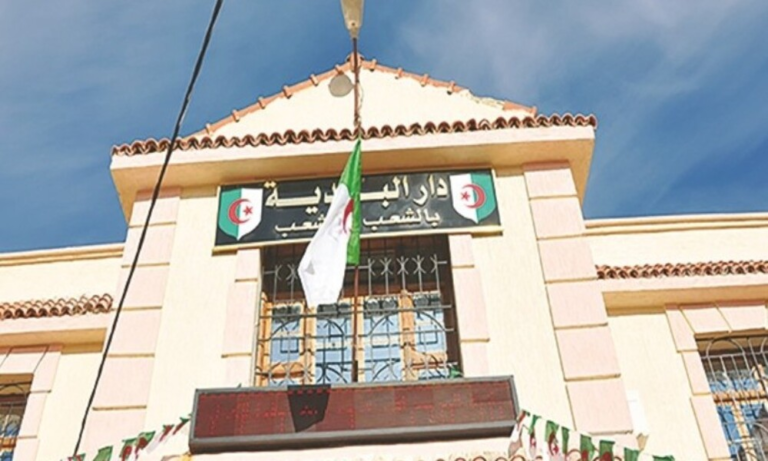
The stakes are particularly high because municipal elections directly impact daily life rather than abstract ideological debates. Local governments govern essential services such as road maintenance, urban planning, water access, sanitation, public transit, street lighting, local markets, and public facilities. Because local councils represent the level of government closest to the people, their loss of credibility would deeply damage the broader relationship between the public and state institutions.
Yet, party leaderships appear to remain focused on internal party politics rather than local realities. Parachuted candidates, backroom deals, and imposed nominations risk alienating voters even further. Citizens are no longer interested in media figures or elites handpicked from party headquarters in the capital; they want representatives they know, cross paths with daily, and who genuinely understand their local struggles.
Without a rapid shift in approach, political parties face a worsening loss of local influence. Municipal governments could gradually cease to function as spaces for democratic representation, transforming instead into mere administrative structures lacking genuine public legitimacy. The issue, therefore, goes far beyond simple electoral competition, striking at the very ability of local institutions to maintain public trust. A local democracy operating without the buy-in of its population inevitably becomes a hollow facade.
Political parties now face a historic responsibility. They have only a few months to prove they have understood the message sent by voters on July 2. Without a profound reassessment, an openness to grassroots community figures, and genuine local engagement, the upcoming municipal elections may solidify a lasting crisis of representation rather than spark a democratic renewal.
The local council is the primary face of the state, and when it loses credibility, the entire institutional framework is weakened. All signs suggest that the era of superficial adjustments is over. Without a clean break from old habits, a genuine renewal of local leadership, and candidates who are rooted in their communities rather than imposed by party machinery, the gap between the government and its citizens will only continue to widen.
MK/Sf/lb/abj/APA