



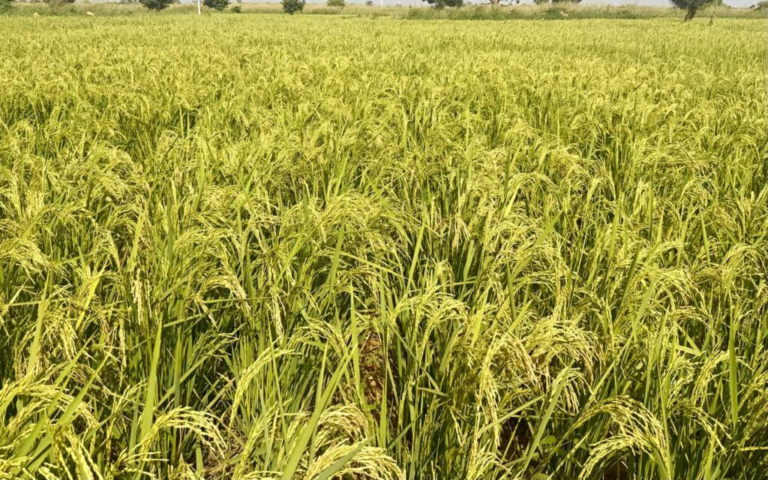
Burkina Faso has developed eight new high-yielding rice varieties utilizing nuclear mutation techniques in a major push to boost domestic agricultural output and reduce reliance on foreign imports.
Developed with technical support from the International Atomic Energy Agency (IAEA) and the Food and Agriculture Organization (FAO) under the joint Atoms4Food initiative, the crops were officially registered in June 2025. The innovative varieties offer potential yields reaching between 9 and 11 tonnes per hectare alongside shortened maturation periods of 95 to 106 days, representing a substantial improvement over standard national varieties that yield only 4 to 6 tonnes per hectare.
The research project utilized radiation-induced mutation breeding to accelerate natural plant genetic variation, allowing scientists to select traits optimized for local climate conditions while catering to consumer preferences. Field assessments across demonstration plots in western agricultural zones yielded strong results, with one variety recording up to 11.76 tonnes per hectare in the Banzon rice-growing plain. The selection includes varieties tailored for specific market needs, featuring options with larger grains, high resistant starch content, and sticky textures.
With national rice consumption doubling over the past decade and imported grain currently supplying nearly half of the domestic market, scaling up local harvests remains a critical priority for national food security. Following initial field demonstrations, Burkinabe researchers and international partner agencies are now focusing efforts on accelerating certified seed multiplication to ensure widespread distribution to farmers, while concurrently building long-term institutional capacity for climate-resilient crop development.
HO/te/Sf/lb/abj/APA