





Cairo has cemented its position as Africa’s premier urban and economic powerhouse, topping the 2025 rankings of the continent’s 30 most attractive cities.
According to a report by Jeune Afrique, the Egyptian capital surged seven places in just one year to claim the number-one spot, outperforming rivals like Cape Town and Kigali. This ascent is fueled primarily by Cairo’s exceptional capacity to attract foreign direct investment, totaling approximately $11.3 billion between 2019 and 2023, the highest on the continent.
The city’s transformation is driven by a massive offensive of large-scale infrastructure projects and digital modernization. Central to this strategy is the “New Capital”—a $60 billion smart city east of Cairo that was officially inaugurated as the seat of government in 2025. This landmark development is complemented by an overhaul of the regional transport network, including the expansion of the Cairo Metro and the deployment of new light rail and monorail systems designed to link the growing metropolitan areas.
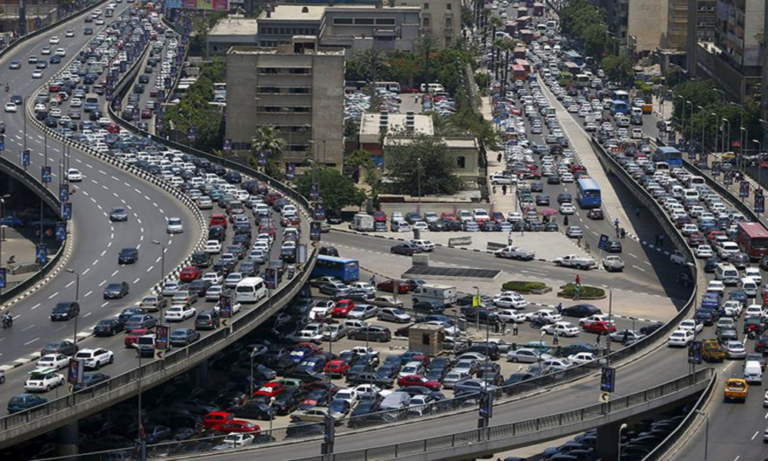
Despite these economic triumphs, the metropolis continues to grapple with significant structural challenges. While Cairo leads in investment and economic scale, it remains in the middle of the pack for quality-of-life metrics. High population density, chronic traffic congestion, and environmental pollution remain persistent issues. Nevertheless, recent surveys indicate that 73% of residents still recommend Cairo as a place to live, citing its safety, economic vitality, and robust road networks as key strengths.
Ultimately, Cairo represents a fascinating urban paradox where historical heritage and modern innovation coexist with rapid, sometimes disorderly growth. As the city moves toward a vision of housing 55 million people, its ability to balance massive capital inflows with sustainable urban management will define its long-term status as Africa’s most consequential megacity.
MK/Sf/fss/abj/APA