





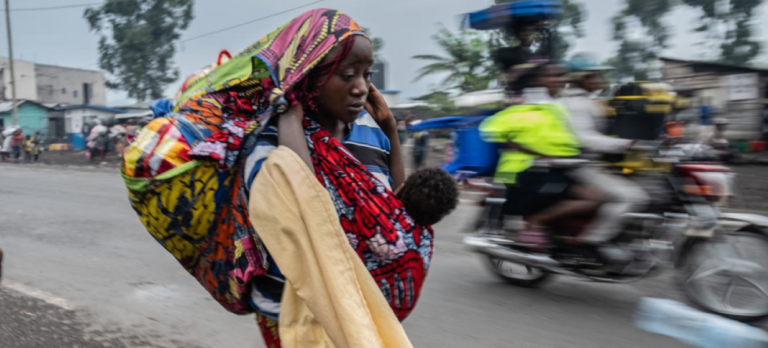
The United Nations has raised alarm over an escalation of heavy weapons attacks in eastern Democratic Republic of Congo, where all parties to the conflict appear to be targeting densely populated areas, endangering civilians and critical infrastructure.
Speaking in Geneva before the Human Rights Council, Deputy High Commissioner for Human Rights Nada Al-Nashif denounced a worrying surge in the use of drones, artillery, and explosive weapons.
According to the NGO ACLED, nearly 30 drone strikes and air raids were recorded in February alone — a monthly record. One such attack killed a UNICEF staff member in Goma, highlighting the growing risks faced by civilians and humanitarian workers.
Violence is now spreading beyond traditionally affected areas, with strikes hitting strategic infrastructure such as Kisangani airport. Civilians are increasingly trapped amid armed groups, ethnic tensions, foreign interference, and competition over natural resources.
Between October 2025 and February 2026, the UN documented at least 600 summary executions resulting in more than 1,300 deaths, alongside thousands of other abuses in North Kivu, South Kivu, Ituri, and Maniema provinces.
Key actors involved in the violence include the M23, the Allied Democratic Forces (ADF), and the CODECO militia, while government forces are also implicated in a significant share of human rights violations.
In response, the UN has called on Rwanda to withdraw its troops from Congolese territory and urged the international community to increase diplomatic pressure.
Despite repeated warnings, the international response remains limited, constrained by funding shortages that hamper investigations and field operations. The UN peacekeeping mission MONUSCO has reduced its personnel, weakening its capacity to respond to a rapidly deteriorating security and humanitarian crisis.
DM/te/lb/as/APA