





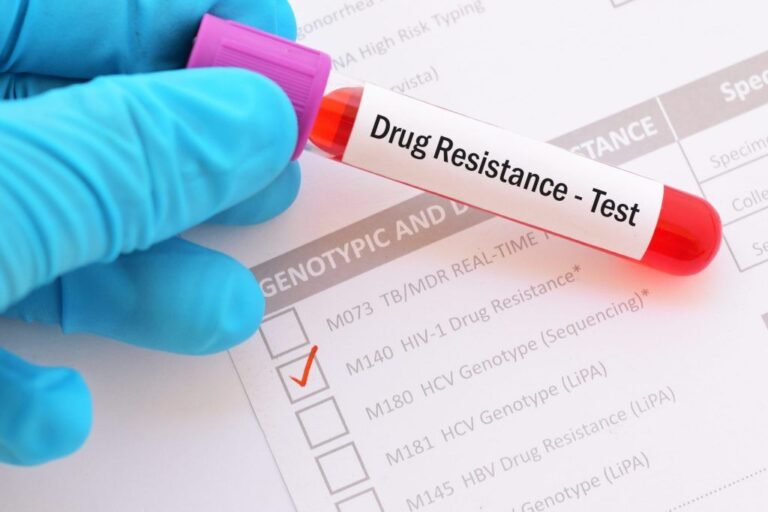
Ethiopia has unveiled its fourth National Action Plan on Antimicrobial Resistance (AMR) to tackle drug resistant diseases.
Speaking at the launch event marking World AMR Awareness Week on Tuesday in Addis Ababa, Ethiopia’s capital, Ethiopian minister of health Mekdes Daba described antimicrobial resistance as a growing crisis that demands urgent and coordinated action.
The launch places Ethiopia among a growing number of African countries with firm strategies to address AMR, which occurs when bacteria, viruses, fungi, and parasites evolve to withstand drugs designed to kill them, a statement released by reliefweb indicated.
“Resistance to infection is rising worldwide. Without decisive measures, by 2050 we could see a 70 percent increase in AMR-related impacts, costing the global economy an estimate $1 trillion,” warned Ethiopia’s Minister of Health, Daba said.
Africa CDC Deputy Director General, Raji Tajudeen, echoed this concern, calling AMR “no longer a silent pandemic.” Ranked among the top ten global public health threats, AMR is already undermining health systems, food safety, economic growth, and environmental stability across Africa. “This is not a distant threat – it is a present reality,” he said.
Africa currently accounts for over one million AMR-related deaths annually, representing approximately 21 percent of the global toll. Without immediate action, projections indicate that by 2050 AMR-related deaths in Africa could soar to 4.1 million each year, pushing millions into extreme poverty and reversing decades of progress in infectious disease control.
Ethiopia’s new action plan positions the country as a continental leader, setting a model for progress and inspiring other nations to act. Daba said highlighting the country’s strong track record, including its active membership in the Global Leaders Group on AMR and its success in increasing AMR awareness among health professionals by 50 percent. The country has also conducted over 54 public awareness campaigns, mobilising communities to confront this growing threat.
Tajudeen noted Africa’s progress on antimicrobial resistance, citing strengthened national coordination committees, enhanced surveillance and laboratory capacity, and baseline data from the influential Mapping Antimicrobial Resistance and Antimicrobial Use Partnership (MAAP) study, supported by the AU’s Landmark AMR Report released in 2024.
Yet challenges remain, including poor access to quality diagnostics and medicines, underfunded action plans, weak infection prevention and control, limited data for policymaking, and fragmented One Health surveillance systems he added.
MG/as/APA