





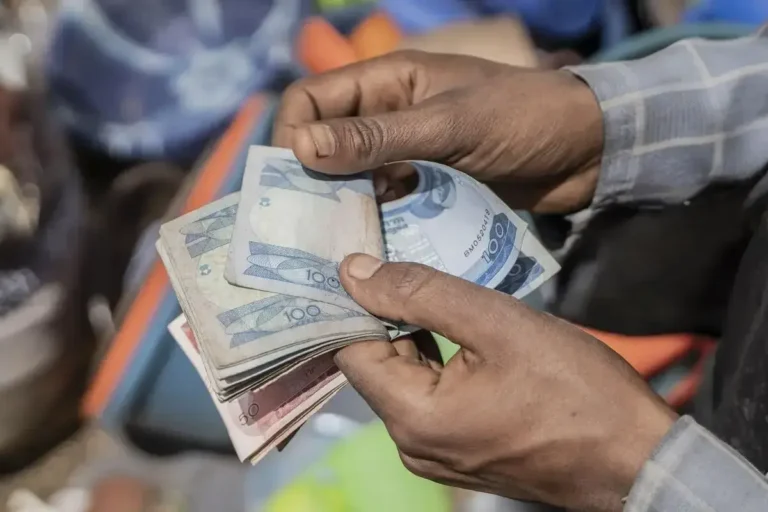
Ethiopia’s newly established Financial Security Service (FSS) has announced the blocking of bank accounts belonging to 138 individuals who were involved in the trading of foreign currencies in the parallel market.
In a statement it released over the weekend, FSS said the suspects have allegedly been central players in the country’s black market foreign exchange network, which has long been a source of economic instability and worsening inflation in the country.
The FSS said the individuals in question had been conducting large-scale currency transactions that bypassed Ethiopia’s formal banking system, undermining the country’s efforts to stabilise the foreign exchange market and enforce monetary policy.
According to FSS, the foreign currency transactions must be conducted exclusively through licensed financial institutions, in line with national financial regulations. The use of informal or parallel markets not only violates these laws but also exposes the economy to serious risks, including inflationary pressure, capital flight, and the weakening of the Ethiopian birr.
The agency emphasised that those who engage in illegal foreign exchange trading will face strict legal consequences, including the confiscation of assets and long-term imprisonment.
Recently, the National Bank of Ethiopia warned individuals and businesses to avoid unauthorised currency dealings and to utilise formal banking channels for all foreign exchange services.
Despite these warnings, the FSS revealed that it has been closely monitoring a number of individuals and entities suspected of being involved in illegal forex trading.
It said after gathering sufficient evidence, FSS moved to freeze the bank accounts of the 138 principal suspects, effectively cutting off their access to financial resources and halting their operations.
MG/as/APA