



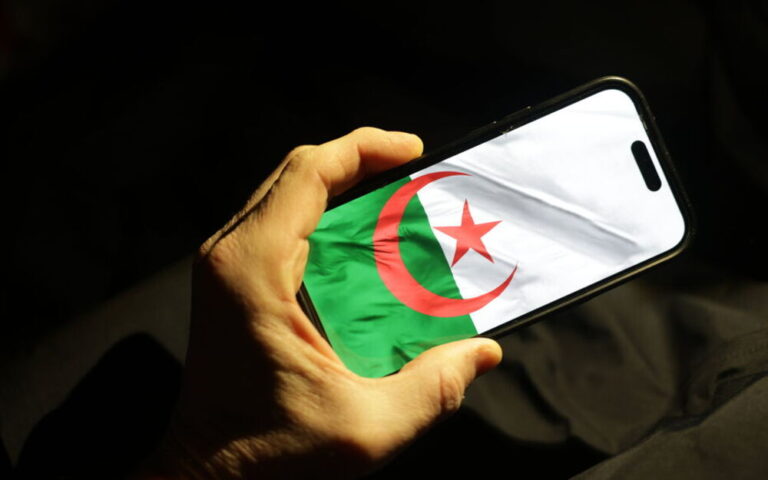
As diplomatic tensions between France and Algeria continue to escalate, a confidential report has suggested that Algiers may be behind an online campaign to turning the French public against the authorities in Paris.
The report from Viginum—a French government agency tasked with combating foreign digital interference—has raised concerns over a coordinated disinformation campaign originating from Algeria and targeting French public opinion.
According to details revealed by Le Canard enchaîné, the confidential note dated June 25 and sent to the Prime Minister’s office, warns of “malicious online activity” from a “network of trolls located in Algeria,” reportedly acting in coordination to sway public discourse in France.
Since the beginning of the year, the network has allegedly intensified disinformation efforts on social media through fake accounts spreading divisive narratives, conspiracy theories, and content hostile to French institutions.
Viginum’s report cites a notable surge in activity around July 5—Algeria’s Independence Day—when viral posts accused Paris City Hall of “insulting the memory of Algerians” by organising festivities on the River Seine, in reference to the brutal police repression of Algerian protesters on October 17, 1961.
This supposed digital offensive adds fuel to an already fraught diplomatic climate between the two countries.
Since President Emmanuel Macron’s official recognition of Moroccan sovereignty over the Western Sahara in July 2024, Algeria has suspended multiple bilateral cooperation mechanisms.
President Abdelmadjid Tebboune has refused to accept the return of Algerian nationals expelled from France, and several political and intellectual figures critical of the regime have been imprisoned in recent months—including acclaimed writer Boualem Sansal and opposition leader Amine Amir. Most recently, French journalist Christophe Gilezes was sentenced to seven years in prison on charges of “glorifying terrorism.”
While French authorities have yet to publicly comment on the Viginum report, several government sources have expressed growing concern over the scale and coordination of foreign digital influence operations—particularly from countries with post-colonial ties to France.
According to experts, such actions reflect a strategy of informational influence aimed at weakening social cohesion, discrediting institutions, and further polarising the public discourse.
MK/ac/lb/as/APA