



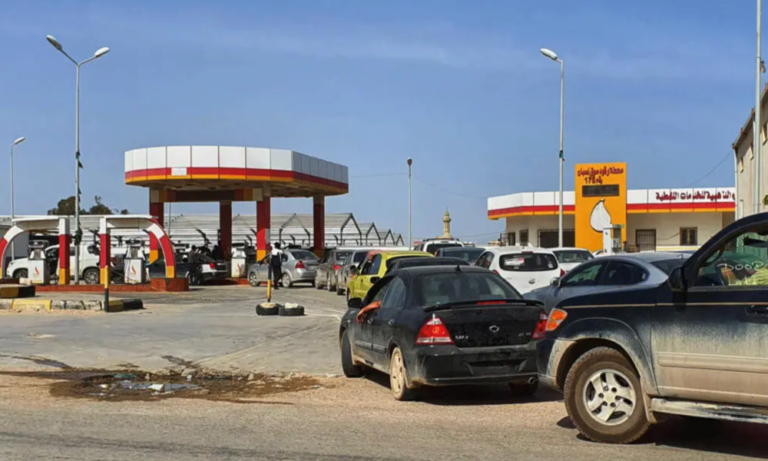
Fuel-smuggling networks are costing Libya nearly $7 billion annually, according to a UN warning issued to the Security Council.
Between 30% and 50% of Libya’s fuel imports are being siphoned off by smuggling rings, Hanna Tetteh, the UN Secretary-General’s Special Representative, told the Security Council.
This illicit trade feeds resale networks in neighboring countries and Europe.
Subsidised fuel is smuggled to various destinations, including Sudan, Chad, Niger, Italy, and Turkey. These networks utilize pipelines, ships, and tanker trucks to carry out their operations.
The subsidy system facilitates this activity. Because fuel prices at the pump in Libya are exceptionally low – far below international rates – reselling the fuel has become highly lucrative for the traffickers and armed groups involved.
According to Hanna Tetteh, these diversions result in massive financial losses for the state and deprive the population of goods that are intended to be subsidized. They also contribute to shortages that affect both ordinary citizens and essential institutions.
This situation further weakens public finances at a time when the authorities are struggling to meet their obligations. In September, public-sector teachers held weeks of protests demanding the payment of salary arrears.
Libya has remained mired in deep instability since the fall of Muammar Gaddafi in 2011. Two rival administrations are vying for power: the UN-recognised government led by Abdelhamid Dbeibah, and the eastern-based authorities, backed by Field Marshal Khalifa Haftar.
This institutional fragmentation complicates efforts to combat smuggling networks and exert control over energy resources
MK/AK/fss/as/APA