



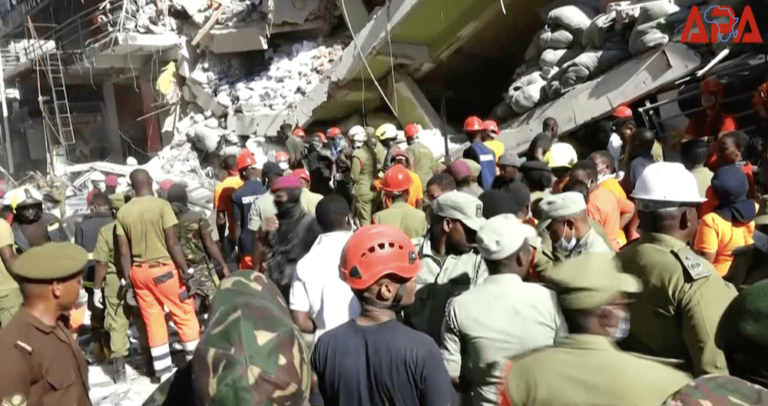
A tragic building collapse on Saturday, October 17, 2026, in the southern Malian town of Dioïla claimed the lives of 10 people, including two seven-year-old children, and left seven others injured.
The multi-storey structure, situated in the Tripanobougou neighborhood approximately 160 kilometers east of Bamako, gave way shortly after concrete was poured for an upper-floor slab. According to official reports from the Malian Press Agency (AMAP), the deceased include the construction site owner, his two children, and seven site workers who were inside the structure at the time of the failure.
Civil protection teams, local security forces, and area residents conducted emergency search-and-rescue operations to extract victims trapped beneath the rubble, with all seven injured individuals subsequently transferred to regional healthcare facilities. A formal judicial investigation has been launched to determine the precise structural causes of the failure and assign legal liability, leading law enforcement officers to detain the construction site manager for questioning.
The disaster highlights persistent structural safety challenges across Mali’s building sector, following a series of similar fatal incidents in recent years. Previous collapses, including a March 2026 tragedy in Bamako that killed five people and earlier fatal incidents in Ségou, Moribabougou, and Kita, had prompted urban planning authorities to announce stricter site inspections and technical compliance enforcement. Despite recent administrative efforts by the National Directorate of Urban Planning and Housing to audit high-risk structures and reform building permit protocols, the Dioïla tragedy underscores the ongoing necessity for rigorous enforcement of engineering standards across active construction sites nationwide.
MD/te/Sf/lb/abj/APA