



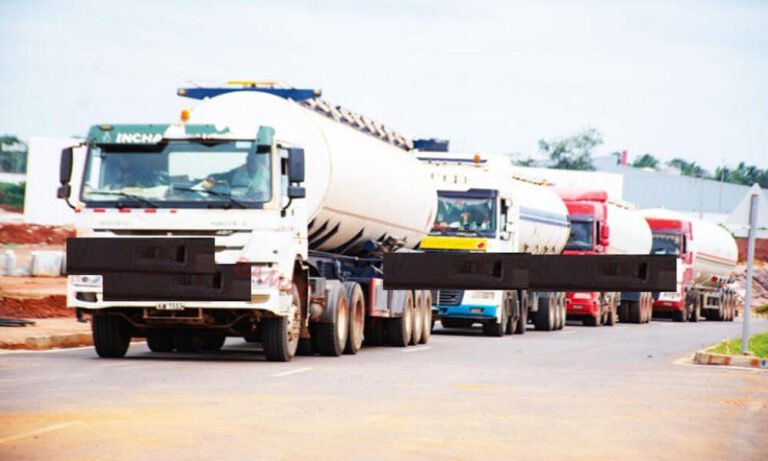
Confronting a severe blockade on hydrocarbon supplies imposed by the al-Qaeda-affiliated Group for the Support of Islam and Muslims (JNIM), Mali has launched a comprehensive strategy combining military force, regional diplomacy, and internal resilience measures to safeguard its energy sovereignty.
The JNIM has escalated its conflict with Bamako by initiating a war of economic strangulation, targeting the country’s vital fuel supply lines. Repeated attacks since September on fuel convoys—originating from Senegal, Ivory Coast, and Niger—have severely strained fuel stocks. This has led to widespread transport disruptions, reduced school hours, and mounting economic instability across Malian cities.
In response, the Malian government has prioritized securing its logistical corridors that link the nation to the ports of Abidjan, Dakar, and Conakry. On November 5, Foreign Minister Abdoulaye Diop briefed the diplomatic corps on the crisis, emphasizing the military and diplomatic measures underway:
Military Counter-Offensive: The Malian Armed Forces (FAMa) have intensified airstrikes on jihadist positions, such as recent operations in the Sikasso region near the Ivorian and Guinean borders. These targeted operations aim to protect fuel convoys and neutralize armed groups along the supply routes.
Regional Cooperation: Mali is increasing coordination with partners in the Confederation of Sahel States (CSA). Specifically, military cooperation with Senegal has been strengthened, including discussions in Dakar focused on boosting military partnership, joint border patrols, and convoy escorts. This ongoing collaboration remains pragmatic despite Mali’s withdrawal from ECOWAS, reflecting Senegal’s position as Mali’s largest African trade customer for petroleum products.
Amidst the crisis, signs of internal resilience are emerging. Schools, which were temporarily closed due to the fuel scarcity, reopened on November 10. While persistent long lines and irregular distribution still plague gas stations, officials are acknowledging the patience of citizens as services gradually resume.
The crisis has generated deep concern across the continent, highlighting the fragility of regional stability. Mahmoud Ali Youssouf, Chairperson of the African Union Commission, called for a coordinated international response. Furthermore, former Senegalese Interior Minister Aly Ngouille Ndiaye warned West African leaders against inaction, stating that a collapse in Bamako would trigger severe security and economic repercussions across the entire sub-region.
For Mali, overcoming the jihadist embargo is now a critical matter of national survival, cementing the defense of its energy independence as a central pillar of government policy.
AC/fss/abj/APA