



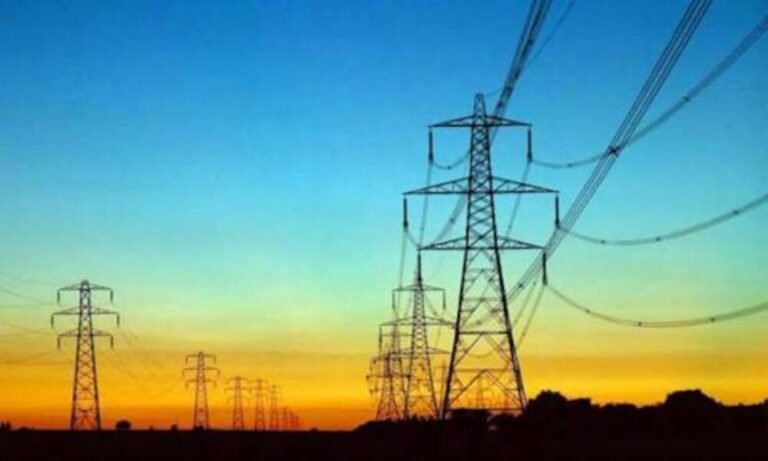
The Nigerian Independent System Operator (NISO), in collaboration with the West African Power Pool Information and Coordination Centre, has successfully synchronised Nigeria’s national electricity grid with the broader West African power network.
The long-awaited test, a historic breakthrough for regional energy integration, took place between 5:04 am and 9:04 am on Saturday, November 8, 2025, connected Nigeria, the Niger Republic, and parts of Benin and Togo to the rest of the West African grid, marking the first successful attempt at a unified regional power system operating at a single frequency and connecting 15 West African countries.
A joint statement by the Chairman of NISO’s Board of Directors, Adesegun Akin-Olugbade, and the Managing Director/Chief Executive Officer, Abdu Bello Mohammed, on Sunday, described the milestone as a major leap toward achieving the vision of a stable, reliable, and interconnected electricity market in the ECOWAS sub-region.
“The Nigerian Independent System Operator, in collaboration with the West African Power Pool Information and Coordination Centre, has successfully carried out the long-awaited synchronisation test between the Nigerian power grid, which includes the Niger Republic and parts of Benin and Togo, and the rest of the West African power grid. The test was conducted on Saturday, 8th November 2025, between 05:04 hours and 09:04 hours, and marks a breakthrough in the ongoing effort to establish a unified West African electricity grid operating at a single frequency,” the statement said.
Although efforts to synchronise the sub-regional grids have been ongoing for nearly two decades, the only previous physical test, conducted in 2007, lasted barely seven minutes before being discontinued due to instability and lack of coordination.
This latest achievement, according to the joint statement, was made possible through enhanced coordination, real-time communication among control centres, stricter frequency control, improved system monitoring, and harmonised operational standards between the Nigerian Independent System Operator and the WAPP Information and Coordination Centre.
The synchronisation effectively connects Area 1 (comprising Nigeria, Niger, and parts of Benin and Togo) with Areas 2 and 3, which cover the remaining West African countries, under a single operational grid.
According to the report by Punch newspaper on Monday, this development is a cornerstone in the West African Power Pool plan to create a unified electricity market that will allow countries to trade electricity efficiently, reduce supply costs, and improve grid reliability through shared reserves.
“It also positions Nigeria as a pivotal player in the region’s electricity ecosystem, enabling cross-border energy trading, foreign exchange earnings, and the unlocking of stranded generation capacity from underutilised power plants,” the report added.
GIK/APA