





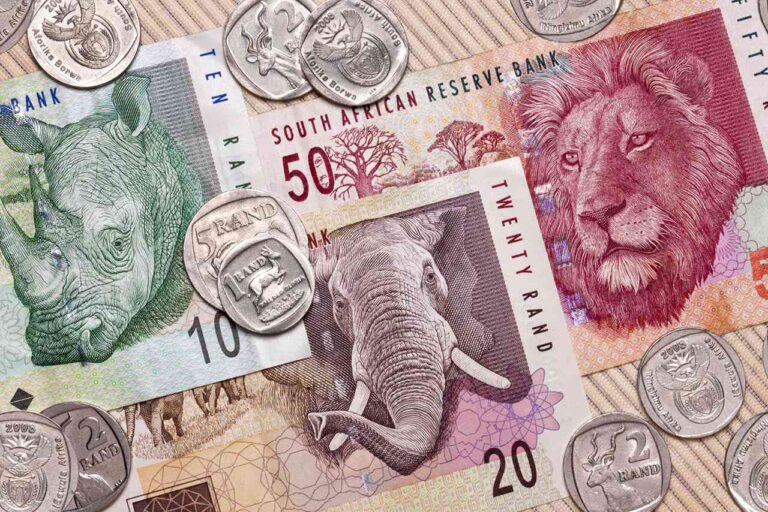
A joint report released at the 58th session of the Economic Commission for Africa in Tangier, Morocco, warns that 29 African currencies have depreciated due to extreme global market volatility triggered by the ongoing Middle East crisis.
Published by the African Development Bank, the African Union, the UNDP, and the UNECA, the document details how these devaluations are driving up external debt servicing costs and the price of essential imports across the continent.
The report highlights that geopolitical tensions have caused energy, food, and fertilizer prices to soar, with global oil prices rising more than 50% by late March 2026. These disruptions are particularly damaging to the agricultural sector, as supply chain breaks in the Gulf have limited access to vital inputs like ammonia and urea during peak planting seasons, threatening food security in import-dependent nations.
Experts, including Mahmoud Ali Youssouf, noted that this conflict is exacerbating global instability with direct repercussions for African economic resilience. Claver Gatete described the situation as a “turning point,” urging the continent to accelerate its transition toward energy security, food sovereignty, and financial independence to mitigate the rapid spread of external shocks.
To combat these vulnerabilities, partner institutions are calling for a coordinated three-pillar response: immediate household protection and supply stabilization, medium-term reforms to strengthen regional trade under the AfCFTA, and structural changes to increase domestic resource mobilization. The consensus among authors, including Sidi Ould Tah, is that Africa must shift from merely managing shocks to building long-term resilience through regional integration and homegrown financial solutions.
TE/fss/abj/APA