



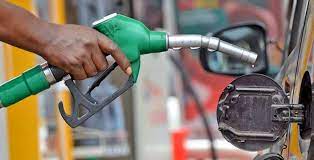
Rising geopolitical tensions in the Middle East have begun rippling into South Africa’s agricultural sector, with several rural fuel suppliers imposing precautionary diesel‑purchase limits as fears grow over global supply volatility and looming price spikes.
While petrol stations continue operating normally, agricultural cooperatives and bulk diesel distributors in the Eastern Cape and North West provinces have started tightening sales.
Some farmers report being restricted to 80 litres per day, an amount that barely covers a few hours of tractor or harvester use during peak production periods.
The rationing follows sudden wholesale price increases linked to instability in the Middle East where the US‑Israeli war on Iran has disrupted shipping routes and pushed global oil markets into uncertainty.
Iran’s closure of the Strait of Hormuz – a corridor that carries roughly a fifth of the world’s oil – has already slowed deliveries of fuel and fertiliser to southern Africa.
Officials in Tehran have warned that crude prices could surge to US$200 per barrel if the conflict escalates.
In South Africa, agricultural supplier OVK temporarily closed its diesel ordering book this week, citing sharp increases from its own fuel providers.
The timing is particularly sensitive for farmers entering the maize and fruit harvesting seasons, when diesel consumption spikes.
A single combine harvester can burn 30 to 60 litres an hour, meaning even a day’s work can require several hundred litres.
It is forecast that diesel could rise by more than R6 per litre in April if current trends hold, pushing inland wholesale prices close to their 2022 record.
Petrol is also under pressure, with an under‑recovery pointing to further increases.
Farmers warn that prolonged supply constraints or steep price hikes will raise production costs and ultimately feed through to food prices, adding another layer of strain to consumers already battling inflation.
JN/APA